
Should preschoolers be able to read before they start school?

Here’s how to support your preschooler’s reading journey from the start.
Learning to read is an important developmental milestone for children but should you be concerned if your preschooler hasn’t started this skill yet?
In Australia, as kids start school at different ages – not only between States and Territories but also within the same school – you can end up with a four-year-old in a class with kids who are a year older. So it’s not comparing apples with apples.
Teachers and educators are more keen that your kindy kid can hold a crayon, recognise and can write their name, can play nicely and share, and know some letters and numbers, among other things.
Scroll down to read 10 ways to encourage you preschooler’s reading skills to help then on the right path.
How to instil a love of reading in preschoolers
One easy way parents and carers can nurture their toddler’s education and cognitive development outside of preschool or daycare is to encourage reading at home. You don’t have to be a huge reader youself but setting time aside to read with your child may make a big difference to their learning.
National Director of SmartPlay Early Learners, and a mum herself, Helena Williams-Johnson has provided 10 tips to parents and carers on instilling a love of reading in preschoolers.
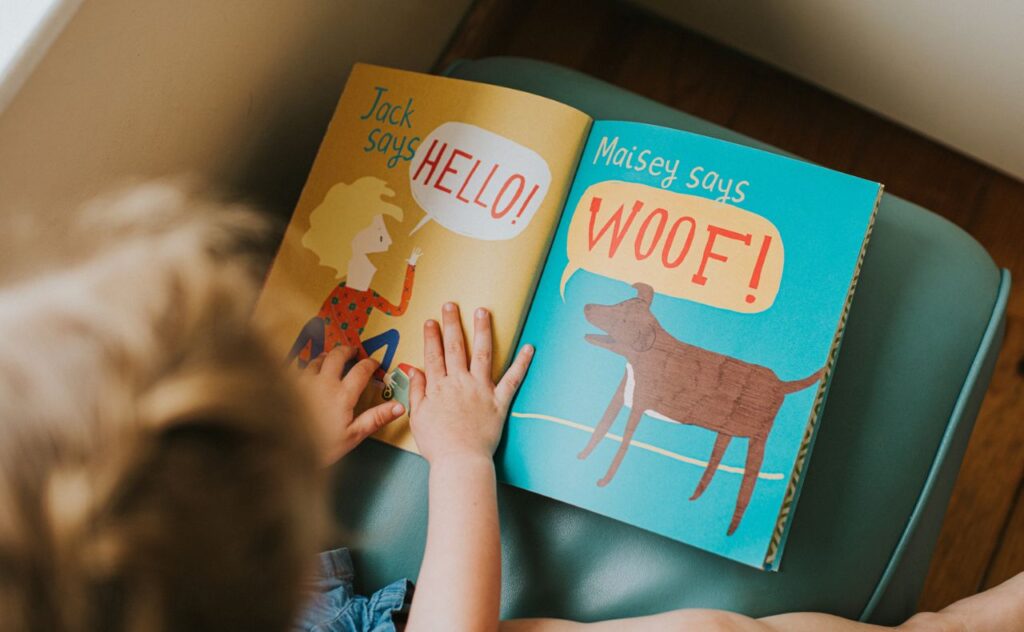
10 tips to help your preschooler with reading
1. Start with the basics
This may seem rudimentary to many adults, but kids need to learn the basics of reading like how to handle books and how to turn the pages. Treating books with care and respect will teach our youngest learners to do the same.
2. Finger following
Run your finger under the words as you read to help your preschooler begin to associate sounds with letters.
3. Let them choose
Let your little one choose the book – even if it’s the same book or story you’ve read for the last umpteen nights. Repeating their favourite book will give them great independence and help them feel involved.
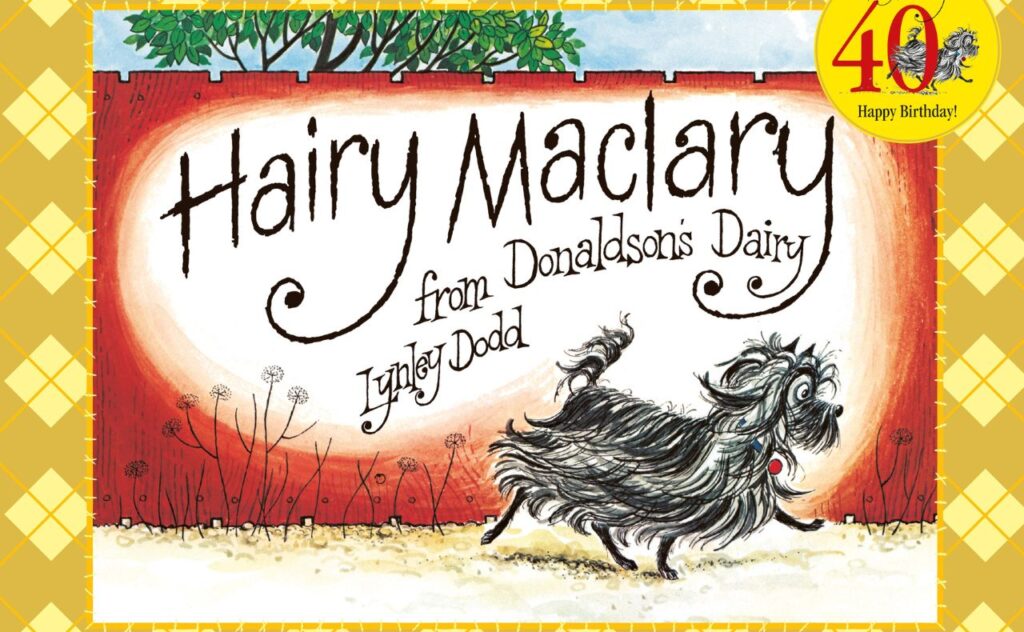
4. Make it fun
By including word games in your non-reading time, kids will begin to associate words, sounds and images. Site words can
5. Pointing is good
Engage with your child by pointing to pictures or illustrations in the book to help connect the words with the images.
6. Practical reading
Point out street signs, packaging, advertising and more, and talk to your tot about what you see. Recognise the letters together and sound out the words to help your preschooler on their path to reading.

7. Make it a habit
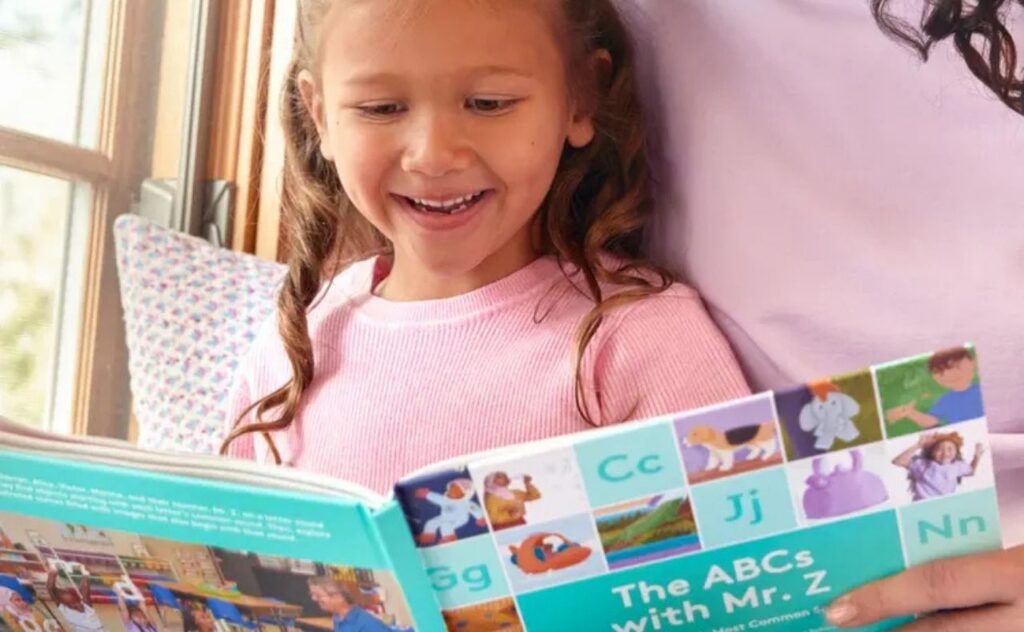
Reading on a regular basis helps exercise our brain and activate our mind. If you’re keen to support their journey to reading sight words are a great way in. The Reading Skill Set by Lovevery makes reading fun from the start. It offers a motivating introduction to reading through phonics, allowing your child to learn the most common sound of each letter and how to break words into sounds.
8. Read aloud
By the end of the day, we’re all tired. There may be a stack of dishes in the sink and work emails to respond to before bedtime. But reading aloud with your youngster will give you both a sense of calm and imagination before the lights go out.
9. Use rewards
Books are a great reward for a child and help associate reading with positive behaviours.
10. Make it interesting
If your preschooler is keen on dinosaurs or dancers, find books that pique their current interests.
In brief, don’t be concerned if your preschooler isn’t reading yet; it is developmental skill that they might pick up sooner or later than their peers. And their teachers will help get them (and you) on track.