
Can pelvic floor injury be avoided?

Expert advice from physiotherapist, and mum, Anne Stone on protecting yourself during pregnancy and birth
Pelvic floor injury (such as vaginal tears) can be minimised by following the expert tips here.
Here, Anne Stone from Hatch Physiotherapy talks about the evidence-based steps she took to help reduce her risk of tearing during the vaginal birth of her daughter.
Pelvic floor injury during childbirth is a concern for many expecting mothers. However, with proper preparation and preventive measures, it is possible to minimise the risk.
Drawing on research-based evidence, Anne lists her top 6 tips to help reduce pelvic floor injury during pregnancy and childbirth. Plus, scroll down to see more about the main types and causes of maternal pelvic floor trauma.
Physio’s expert tips to avoid pelvic floor injury
1. Pelvic floor assessment and exercise
Regular exercise during pregnancy is beneficial not only for overall health but also for strengthening the pelvic floor muscles.
Engaging in pelvic floor exercises, can improve muscle tone and endurance. A strong pelvic floor helps to support the pelvic organs and manage the increased pressure inside the pelvis.
There has previously been a misconception that a ‘tight’ pelvic floor is a strong pelvic floor. This is false. A ‘tight’ or ‘overactive’ pelvic floor can impact the progression of labour and lead to increased pain. These complications are thought to occur as the muscles have difficulty stretching to accommodate the baby’s passage through the birth canal.
A pelvic floor muscle assessment with a qualified pelvic floor physiotherapist is important in both in pregnancy and postpartum. Anne encourages all her clients to present to a pelvic floor physiotherapist in second trimester for an assessment and individualised plan. This commonly involves evaluating muscle strength, endurance, relaxation, tone, and how the pelvic floor responds under stress.

2. Stool softeners and fibre supplements
Throughout pregnancy, it’s quite common for women to report symptoms of constipation, particularly with iron including vitamin supplements. In fact, studies have shown that between 24-29% of women experience constipation in the first trimester. Constipation increases the strain onto the pelvic floor muscles and is a known risk factor for pelvic floor dysfunction.
To avoid constipation try:
- Increasing your fluid intake
- Consuming plenty of fruit (particularly kiwifruit) and fibre
- Chatting with your doctor or midwife about the benefits of a stool softener

3. Perineal massage from 36 weeks of gestation
Perineal massage, starting at 36 weeks of gestation, is a highly recommended practice to reduce the risk of pelvic floor injury. Studies have shown that perineal massage can significantly decrease the likelihood of an episiotomy by 21% and severe perineal tears by 64%. The massage helps to increase the elasticity of the perineal tissues, making them more pliable and better able to stretch during delivery.
4. Optimal birth position
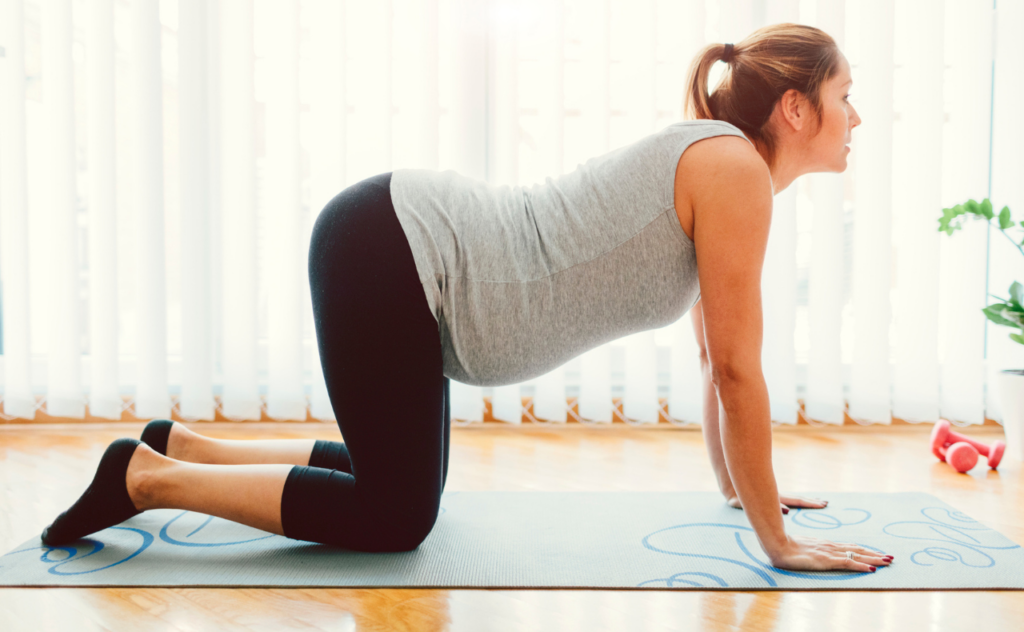
Positions that allow gravity to assist, such as squatting or being on all fours, can reduce the strain on the pelvic floor during childbirth. These positions can help in the natural progression of labour, decreasing the need for interventions like forceps or vacuum extraction.
5. Controlled pushing techniques
Guided pushing, where the mother is advised to push only during contractions and to use shorter, more controlled pushes, can prevent excessive strain on the pelvic floor muscles. This method allows for a gradual stretching of the tissues, reducing the risk of tearing.
6. Postnatal recovery and rehabilitation
Even with the best preventive measures, some degree of pelvic floor injury may still occur. Postnatal recovery and rehabilitation are crucial in such cases. Seeking the guidance of a pelvic floor physiotherapist for postpartum exercises and rehabilitation can aid in the recovery process, helping to restore strength and function to the pelvic floor muscles.

So, is it possible to avoid pelvic floor injury?
Anne Stone from Hatch Physiotherapy explains that while it is not possible to completely eliminate the risk of pelvic floor injury during childbirth, these evidence-based strategies can significantly reduce the likelihood and severity of such injuries. By using the practices above, expecting mothers can better protect their pelvic floor health.
What is pelvic floor injury?
According to Your Pelvic Floor, pelvic floor injury caused by pregnancy and/or birth includes trauma to the muscles, nerves and tissues that may lead to weakness of the pelvic floor.
There are three main types of pelvic floor trauma:
- Mechanical – caused by the baby’s head tearing or moving the muscles/tissues
- Nerve – the main nerve (pudendal) can be damaged by the pressure or size of the baby’s head during labour and / or birth.
- Indirect – caused by baby’s weight and size, mum’s hormones and physiology.
Causes of pelvic floor injury for women
The main caused of maternal pelvic floor injury are:
- Pregnancy
- Vaginal birth (especially the first vaginal birth)
- Advanced maternal age
- Assisted delivery with forceps
- Raised Body Mass Index (BMI)
- Big baby
- Prolonged second stage of labour (i.e. when actively pushing)
- Deep and extensive vaginal wall/perineal/sphincter tears
References:
- Beckmann, M. M., & Garrett, A. J. (2017). Antenatal perineal massage for reducing perineal trauma. Cochrane Database of Systematic Reviews, (4).
- Smith, L. A., Price, N., Simonite, V., & Burns, E. E. (2018). Perineal massage in pregnancy: A means of reducing perineal trauma and operative deliveries. British Journal of Obstetrics and Gynaecology, 125(3), 356-361.
- Bø, K., & Haakstad, L. A. H. (2017). Exercise during pregnancy: Effects on pelvic floor muscles and organs. Acta Obstetricia et Gynecologica Scandinavica, 96(6), 671-679.
- Chiarelli, P., Murphy, B., & Cockburn, J. (2019). Promoting urinary continence in women after childbirth: Randomized controlled trial. BMJ, 319(7206), 223-226.
- Gupta, J. K., Sood, A., Hofmeyr, G. J., & Vogel, J. P. (2017). Position in the second stage of labour for women without epidural anaesthesia. Cochrane Database of Systematic Reviews, (5).
- Lemos, A., Amorim, M. M., Dornelas de Andrade, A., de Souza, A. I., & Cabral Filho, J. E. (2018). Pushing/bearing down methods for the second stage of labour. Cochrane Database of Systematic Reviews, (3).
- Hay-Smith, E. J., Herderschee, R., Dumoulin, C., & Herbison, G. P. (2019). Pelvic floor muscle training for preventing and treating urinary and fecal incontinence in antenatal and postnatal women. Cochrane Database of Systematic Reviews, (1).
- Mørkved, S., Bø, K., Schei, B., & Salvesen, K. Å. (2019). Pelvic floor muscle training during pregnancy to prevent organ prolapse and incontinence: A systematic review and meta-analysis. BJOG: An International Journal of Obstetrics & Gynaecology, 126(3), 299-308.