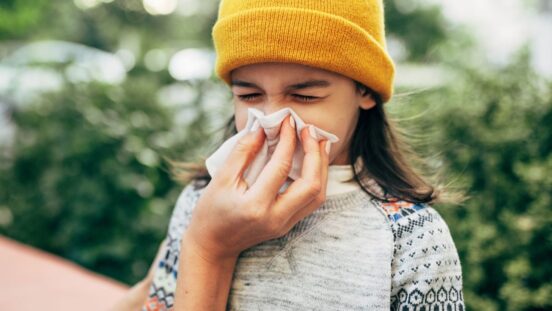
Expecting a baby? The free vaccine that could help protect your newborn’s first months

The free RSV vaccine helping protect newborns from a common winter virus.
The first few months with a newborn are precious but they’re also when babies are most vulnerable to viruses like RSV.
Respiratory syncytial virus (RSV) is a common respiratory virus that affects the nose, throat and lungs, but for young babies it can sometimes lead to serious illness and hospitalisation.
The good news for expecting parents is that eligible pregnant women can now access the RSV vaccine for free through the National Immunisation Program (NIP), helping provide protection to their baby during those important early months.
Since the free maternal RSV vaccine was added to the NIP in February 2025, more than 273,000 pregnant women across Australia have received the vaccine, helping protect their newborns from severe RSV illness.
Almost all children will have RSV by the age of two, with around 10,000 babies admitted to hospital with severe RSV each year.
With winter underway and RSV cases continuing to rise, eligible pregnant women are being encouraged to speak with their healthcare provider about the free vaccine and how it can help protect their baby before birth.
What is RSV?
RSV is a common and potentially severe virus that primarily affects infants, causing infections in the nose, throat, and lungs. It’s a leading cause of hospitalisations in young children, especially infants under six months. In some cases, RSV can lead to bronchiolitis or pneumonia, requiring medical intervention.
Symptoms of RSV
RSV symptoms can range from mild to severe. Early signs include:
- Runny nose
- Decreased appetite
- Coughing and sneezing
- Fever
- Wheezing or difficulty breathing
Infants under 12 months old are at the highest risk, especially those under six months.
All about the RSV vaccine
The RSV vaccine is free under the NIP for eligible pregnant women and is recommended from 28 weeks of pregnancy.
Pregnant women can safely receive the RSV vaccine at the same time as other recommended vaccines in pregnancy, including influenza and whooping cough, which are also available for free on the NIP for pregnant women.
By receiving the vaccine during this period, mothers can pass on protective antibodies to their unborn babies, shielding them from RSV in the crucial first months of life.
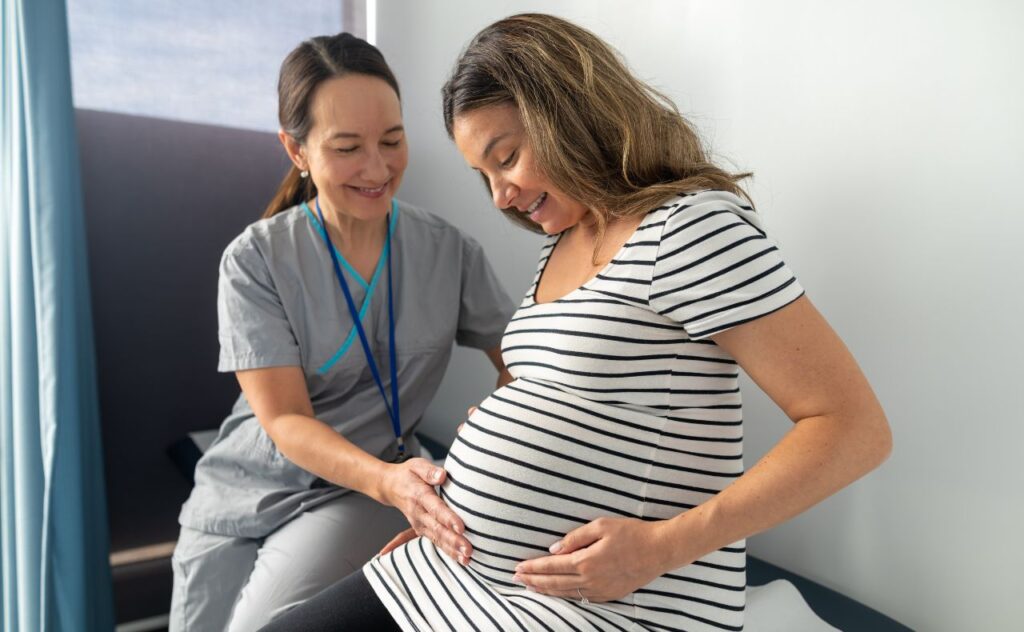
Simple steps to help reduce the spread of RSV
While the new vaccine is a major tool in combating RSV, there are other ways individuals can help protect themselves and others from respiratory illnesses, including RSV:
- Stay home if you have cold or flu symptoms, and wear a mask if you need to leave your home.
- Meet outdoors or in well-ventilated spaces with open windows and doors.
- Avoid crowded places, especially with those at higher risk.
- Don’t visit vulnerable individuals if you are showing symptoms of illness.
- Practice good hand hygiene by regularly washing your hands.
By taking these simple precautions, we can help reduce the spread of RSV and protect the health of those around us, particularly the most vulnerable.