Caring for your baby’s precious feet
Your baby’s feet are made for walking, kissing, and tickling. Here’s how to keep them healthy and strong for a lifetime of comfort.
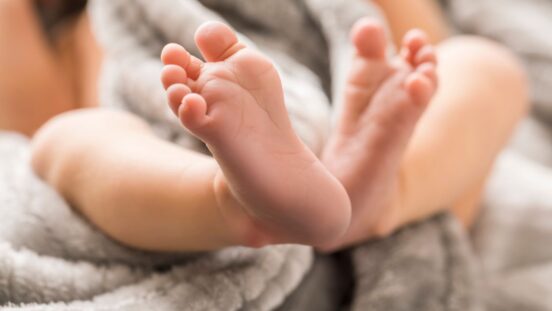
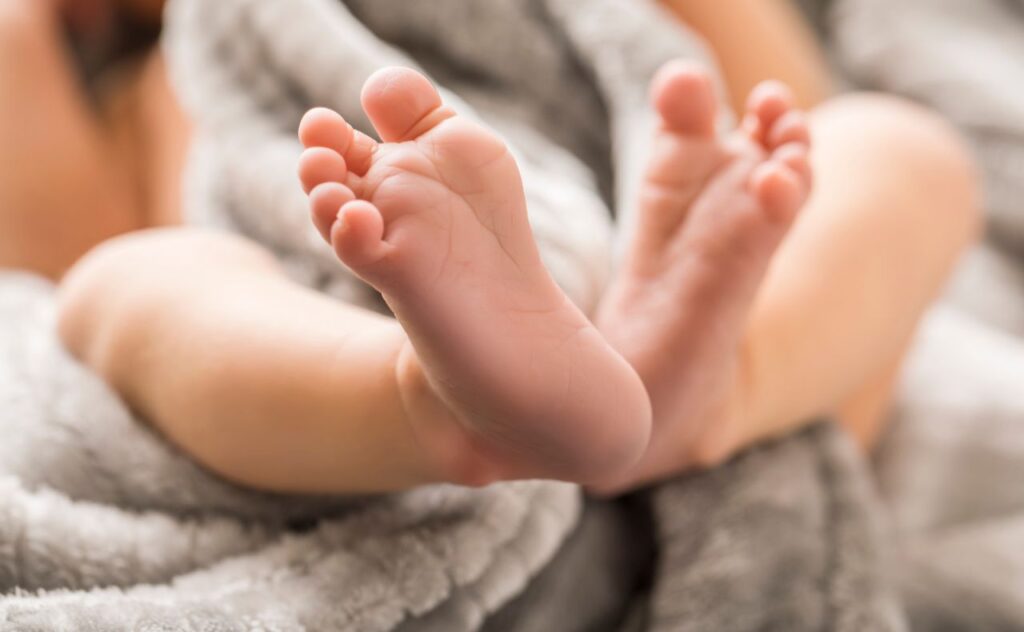
Babies are born with irresistible feet – tiny toes, soft skin, and even a sweet scent. Most parents instinctively count newborn toes during that first cuddle. But beneath the cute squidginess lies one of the body’s most complex structures.
Newborn feet are soft and pliable, made mostly of fatty tissue, muscles, ligaments, tendons, and soft cartilage, which gradually turns into bone as they grow.
Even before walking, the body is ready for movement. Gently hold a baby under the arms and place the feet on a firm surface, and the stepping reflex appears, a motion present at birth that fades by six weeks.
After this reflex disappears, avoid standing the baby upright until the back is strong enough — usually around six months. Once crawling begins, it’s fine to ‘stand’ on a lap, as long as weight is supported.
How baby’s feet grow
All babies have flat feet. The spring-like arch — designed to absorb impact and spread your toddler’s weight when she walks and runs — usually emerges gradually as the bones develop. That’s why most new walkers tend to ‘plod’, moving each leg as a whole without flexing the knee or ankle.
Flat feet in babies
Many children’s feet remain flat until the age of three or four. This doesn’t generally cause any problems and the arch usually develops before the child starts school, but if you’re concerned, mention it to your GP. Treatment isn’t usually necessary but, if need be, special insoles can be inserted into your child’s shoes to change the angle of the foot and encourage the arch to develop.
It’s important to check your baby’s feet regularly and see your GP if you notice anything that concerns you, as good foot care during babyhood can reduce the risk of problems, such as poor posture and leg or back pain, in later life.
Best foot forward
Most babies have perfect feet, but occasionally there are problems, such as talipes, or club foot. This condition is present at birth and involves the foot pointing downwards and inwards. In the majority of cases, talipes is caused by the foot being squashed in the womb, and is easily corrected by physiotherapy.
Another common problem, usually only discovered once the baby is walking, is pigeon toes (walking with the toes pointing inwards) or pointing the toes outwards. This is part of the natural development process and usually corrects itself by school age, but see your GP if you’re concerned.
Baby’s first steps
Your baby’s feet will grow rapidly, reaching almost half their adult size before the first birthday. It’s tempting to dash out and buy those sweet little shoes once the first tottering steps appear. But the longer feet stay barefoot, the better — it helps them grow normally and allows the muscles to strengthen.
During the first few months, keep feet cosy and warm in socks, or once crawling begins, in soft leather bootees or ‘padders’.
Baby’s first shoes
Wearing ill-fitting shoes can give your baby blisters and could even distort her growing feet. The best children’s shoe shops offer footwear in different widths as well as half sizes, and have trained fitters who will measure the width of your baby’s feet as well as their length.
Your baby’s first shoes should have soft leather uppers to keep her feet cool and comfortable, a lightweight, flexible sole and padded ankle. They need to be supportive yet flexible — you should be able to bend them in half.
Babies’ feet can grow very fast, so get them checked every six to eight weeks to make sure her shoes don’t get too tight if she has a growth spurt. A trained shoe fitter will ensure there’s at least 1.4cm of room in front of her toes to allow for growth.