The emotional power of puppets for neurodivergent kids
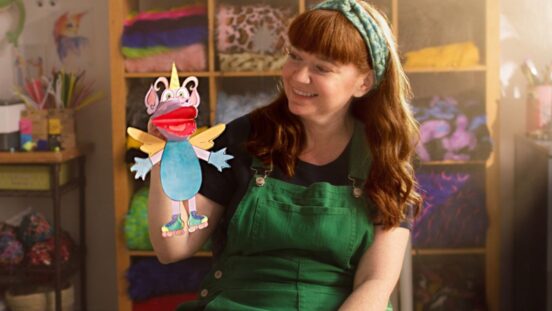
World-renowned puppeteer Stacey Gordon created Sesame Street’s first autistic puppet.
In Australia, an estimated one in five children are neurodivergent. While emotional regulation is a skill everyone continues to develop throughout their lives, puppets offer a unique and engaging way for children to explore their experiences. Through connection, play, and conversation, puppets help bring internal feelings to the surface.
World-renowned puppeteer and former habilitation therapist for autistic children, Stacey Gordon, explains how puppets can foster communication and the easy way kids and families can now print and personalise their own puppets.
“I love how puppets are this invitation to play. They can communicate so much: from joy to sadness and make a real connection with people. And while a lot of families don’t have access to puppets that are expressing specific feelings, now they have a perfect opportunity to create one. Every kid feels the same range of emotions that adults feel. And they don’t always have the tools to regulate and express those emotions, and this is one more tool to help them do that.”
Bounty Parents spoke to Stacey about motherhood, creating Sesame Street’s first autistic puppet, and the power of puppets.
What was the process of creating Sesame Street’s first autistic puppet?
Sesame Street consulted over 80 organisations and autistic individuals in her creation with a wonderful team of truly dedicated researchers and writers with close ties to autism. I’m very lucky and honoured that I was chosen to bring her to life in puppetry form. I try to use my own neurodivergent challenges, my experiences as a mum, and work as a habilitation specialist to inform her curious personality.
What feedback have you received from parents and educators about the puppet’s impact?
The positive feedback has been tremendous. She’s not only given many people in the disability community representation, but also given them visibility. It’s important to see every ability represented in media.
Can you share how puppets helped your son with communication and emotions?
My son loved doing puppet shows as a kid. I would sit and watch hours-long puppet shows as a parent and I think doing puppet plays for us helped him work through social situations. When you create a puppet show, you’ve sometimes got two characters and sometimes there’s conflict. Through play, he got to figure out how to resolve the conflict, which makes resolving conflict in life a lot easier.
I’m a big supporter of art in general – even without active participation. Because just looking at art and watching performances, we’re processing and learning. Even if your child doesn’t want to make a puppet, if you make it and start playing with it, your child will see what you’re doing, and that in and of itself has its own value.
Puppets help you tap into your emotions and motherhood is a wild and emotional ride. Can you share a little about your experience with motherhood?
List every emotion possible and that’s my experience as a mother. Now that my kids are adults, it’s very, very different. I look back at parents who are parenting young children and I both ache for those moments back and I’m so glad I’m through them all at the same time because every single stage of parenting has had its own challenges and its own rewards. Every single one. When they’re little, the nights are long – and the days are long – but then all of a sudden, they’re adults and you’re so extremely proud, but you wonder what happened to your snuggly babies.
My husband has always reminded me that someday your little one is going to be asked to be picked up and it’s going to be the last day they ask to be picked up and held. Pick them up and hold them. Someday, they’re not going to not throw snacks on the ground and you’re going to miss them throwing snacks on the ground.
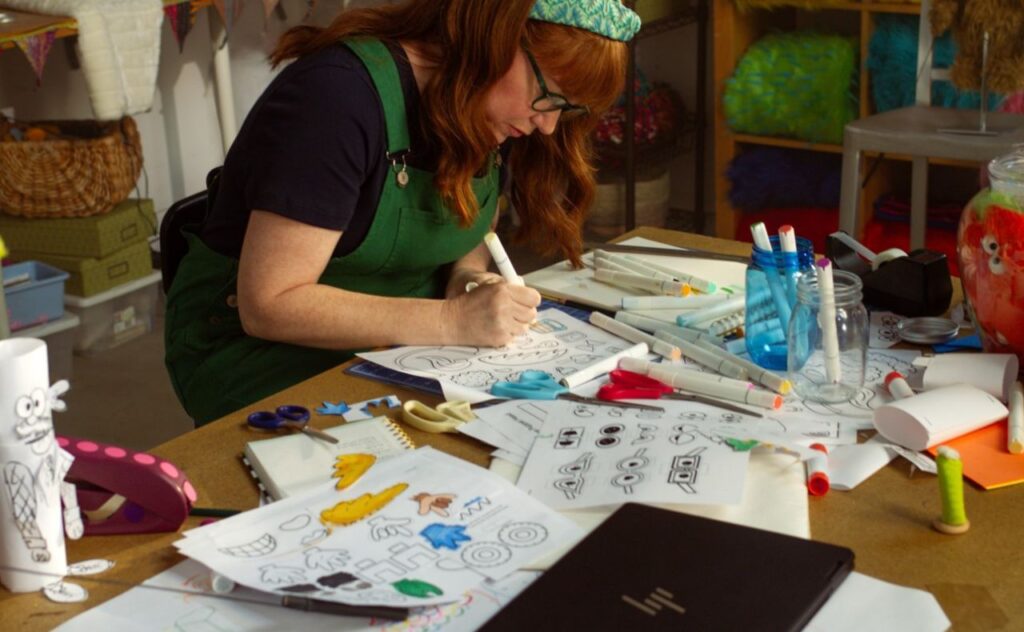
Tell us about HP Print Pals and your involvement?
HP came to me and wanted somebody to help them create two dimensional printables that people could turn into three dimensional puppets at home. They’re a really great way to start a conversation and talk about feelings, social emotional health and emotional regulation.
All you have to do is go to hp.com/PrintPals where you’ll find an amazing array of resources including companion guides, how to videos, and written instructions with photos, so that you can print out one of two special kinds of puppets that can help you and your kids express themselves through puppetry.
How can HP Print Pals can improve communication skills in children?
Everyone can benefit from having tools to help us communicate and kids on the autism spectrum are no different. Sometimes it’s easier to express yourself through the arts, and puppetry is a great way to do that.
You’re able to take the feelings, thoughts, and imaginative play that’s inside of your mind, and you’re able to externalize and express it, which helps us process what we’re feeling. And when it’s not connected to you, when it’s inside of a puppet instead, you have a little bit more freedom and permission to express how you feel.
So, if you’re uncomfortable being angry, your puppet can be angry, if you’re too shy to be boisterous, your puppet can be boisterous and if you don’t want to cry, you can have your puppet cry. Externalizing and expressing feelings through playing with a puppet can help kids process the feelings. They’re still expressing what’s inside, they’re just expressing them in a slightly different way that might make it feel a little bit more safe.