
5 simple ways to strengthen your kids’ immune system this cold and flu season

Cold and flu season survival: How to keep your kids’ immune system strong.
If it feels like everyone around you has a sniffle or cough, you’re not imagining it. Australia is experiencing one of its worst flu seasons on record, with children particularly affected.
The 2024 season surpassed even the intense 2019 outbreak, with a 50 per cent increase in flu cases between January and March compared to last year. On top of flu, COVID-19 and RSV (respiratory syncytial virus) continue to circulate, creating a perfect storm of respiratory illness.
What viruses are we facing this winter?
The term ‘quad-demic’ has been used overseas for the surge of flu, RSV, COVID-19, and norovirus. While Australia’s patterns differ, multiple viruses will likely circulate, increasing illness risk in families and schools.
How to protect your family against infectious diseases
- Wash hands regularly – with soap and water for at least 20 seconds.
- Avoid close contact – especially with people who are unwell.
- Clean high-touch surfaces – like doorknobs, light switches, and devices.
- Stay up to date with immunisations – to help prevent serious illness.
Be RSV Aware
Respiratory syncytial virus (RSV) is a highly contagious infection that can cause serious illness and breathing difficulties in young babies, which can sometimes lead to hospital admission. Help protect your baby from day one — talk to your healthcare provider today.

Tips to strengthen your kids’ immune system
Alongside vaccinations, building your child’s natural immunity is key to helping them fight off winter bugs.
Tip 1: Prioritise a healthy sleep routine
Sleep is one of the body’s best defences. Yet nearly half of Aussies aren’t getting enough of it! Quality sleep helps the immune system function at its best, especially in growing kids.
- Adults need 7+ hours a night.
- School-aged kids need around 9–12 hours.
- Toddlers and preschoolers need even more.
Start by creating a consistent bedtime routine and switch off screens at least 30 minutes before bed — the blue light from devices can interfere with melatonin and disrupt sleep.
Tip 2: Get creative with fruit and vegies
Less than 10% of Aussies eat enough veggies each day – and that’s a problem when it comes to immune support. Fruits and vegetables are packed with essential nutrients like vitamin C, beta-carotene and antioxidants that help keep the body strong and resilient.
Struggling with fussy eaters? Try these tricks:
- Grate or blend veggies into pasta sauces or soups
- Add colour with sautéed or roasted veg instead of plain steamed
- Let the kids help choose or prep their own meals — it builds interest and ownership
Aim for at least 5 serves of vegetables and 2 serves of fruit each day.
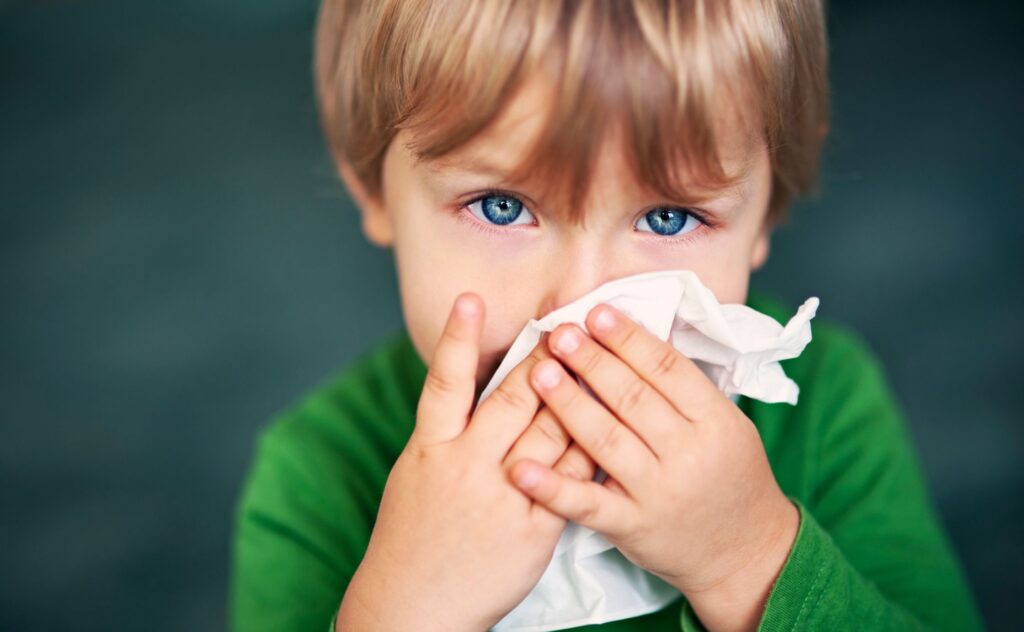
Tip 3: Stay Hydrated
According to leading paediatrician Dr Johnny Taitz, dehydration is a common but overlooked flu symptom – especially in kids under 6. With symptoms like sweating, vomiting or diarrhoea, it’s easy for little ones to become dehydrated without you realising.
“My message for parents this winter is prevention is better than cure. Parents need to be proactive and prepared as dehydration from the flu creeps up on children fast, particularly in toddlers and children under 6. Often by the time signs appear, dehydration is well established.”
Watch for these signs of dehydration:
- Fewer wet nappies or toilet visits
- Dark urine
- Dizziness or fainting spells
Keep water bottles handy, offer water-rich foods (like cucumber or watermelon), and encourage regular sips throughout the day. For extra support, Hydralyte Electrolyte Powder Orange helps relieve dehydration and quickly replaces lost fluids and electrolytess from sweating, vomiting or diarrhoea.
Tip 4: Help your family practice good hygiene
Good hygiene is one of the easiest ways to prevent illness. Teach kids to wash their hands properly (with soap, for at least 20 seconds) after using the bathroom, before eating, and after being in public spaces.
Social distancing and staying home when unwell are also smart habits to keep germs from spreading.
Tip 5: Make mindfulness a must-have tool in the home
Did you know that stress can actually weaken the immune system? A recent study found Aussie parents are feeling the pressure – not just from flu symptoms but also from juggling work, caregiving, and the fear of spreading illness.
Mindfulness activities can help the whole family feel more grounded. Try:
- Guided meditation
- Gentle yoga
- Gratitude journaling
- Mindfulness colouring
Even just 10 minutes a day can help reduce stress and support better health outcomes.