How ChatGPT helped a pregnant mum spot a serious health condition

Mother’s instinct – and a ChatGPT search – led to lifesaving care and a preeclampsia diagnosis.
When Natallia Tarrien, a mum in her third trimester, noticed a strange tightness in her jaw one night, she didn’t think too much of it.
Out of curiosity (and a little late-night boredom), she decided to ask ChatGPT what might be going on.
She typed in a casual question: “Why does my jaw feel tight?”
What she wasn’t expecting was a suggestion that would ultimately lead her to seek medical attention – and possibly save her life.
At first, Natallia brushed off the discomfort as just another one of pregnancy’s many weird symptoms. But when ChatGPT flagged jaw tightness as a possible warning sign of preeclampsia – a serious pregnancy complication – she decided not to take any chances.
After checking her blood pressure at home and seeing it was alarmingly high, Natallia got an even more urgent message from ChatGPT: “Call an ambulance. Now.”
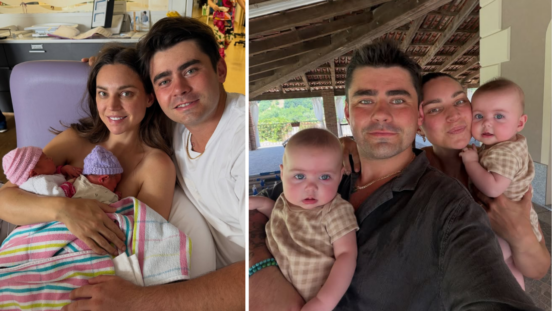
At the hospital, just eight months pregnant, Natallia was diagnosed with preeclampsia – a condition that can be life-threatening for both mother and baby if left untreated. Doctors acted quickly, delivering her baby on the spot. Later, they told her, “If you had gone to sleep that night… you wouldn’t have woken up.”
What is preeclampsia?
Preeclampsia is a potentially serious complication that usually develops after 20 weeks of pregnancy, affecting around 5–8% of pregnancies in Australia. It’s marked by high blood pressure and signs of damage to organs, most commonly the liver and kidneys.
If left untreated, preeclampsia can cause serious — and even life-threatening — complications for both mother and baby.
Preeclampsia symptoms to watch for
Preeclampsia doesn’t always show obvious symptoms, but common warning signs can include:
- High blood pressure (140/90 mm Hg or higher)
- Swelling in the face, hands, or around the eyes
- Sudden weight gain
- Severe headaches
- Changes in vision (blurred vision, flashing lights)
- Upper abdominal pain
- Shortness of breath
- Jaw or chest tightness (rare but notable)
- Nausea or vomiting later in pregnancy
If you experience any of these symptoms, it’s important to contact your healthcare provider immediately.

How is preeclampsia treated?
Treatment depends on the severity of the condition and how far along the pregnancy is.
- Monitoring: In mild cases, doctors may recommend bed rest, regular blood pressure checks, and close monitoring of the baby’s health.
- Medication: Medications may be prescribed to lower blood pressure and help prevent seizures.
- Delivery: In more severe cases, early delivery may be necessary to protect both mother and baby.
The most effective cure for preeclampsia is delivering the baby, which is why managing the condition closely with a healthcare provider is crucial.
ChatGPT cannot replace professional medical advice
Natallia’s story is a powerful reminder to trust your instincts – and that sometimes, even a simple online search can be the push you need to seek help when something doesn’t feel quite right.
But it’s also a reminder that AI tools like ChatGPT should never replace professional medical advice. AI can provide general information and raise awareness of potential concerns, but it doesn’t know your full medical history, can’t diagnose conditions, and can sometimes miss the full picture.
If you’re ever worried about symptoms during pregnancy – or at any time – always speak directly with a qualified healthcare professional.