Choosing a primary school? The questions every NSW parent should be asking
Choosing where to send your child to school is a big decision, and one that can be on your mind long before they’re ready for kindergarten. Beyond finding a school close to home, there are plenty of questions to consider.
From understanding enrolment options to finding the right learning environment, knowing what to look for can make the process feel a little less overwhelming. With expert teachers, a focus on student growth and opportunities to develop individual strengths, NSW public schools have plenty to offer.
Here, we answer some of the questions parents commonly ask.
1. Can I enrol my child in a public school outside our local catchment?
Yes, NSW public schools can accept non-local enrolments, depending on available places and enrolment criteria. The NSW Public School Finder is a useful starting point or contact your local school directly to discuss your options.
2. Are there public preschool programs available in my area?
The NSW Government is investing $769 million to deliver 100 new public preschools, alongside public primary schools across the State. This will double the number of public preschools in NSW making quality early education more accessible to families. So, if you’re thinking about early learning options, check eligibility and locations here.
3. How do I know if a school will help my child achieve their best?
From the first day your child enters a public school classroom, the focus is in supporting them to reach their full potential. All NSW public school teachers have been trained to identify children’s areas of talent as part of the statewide rollout of the Inspire – high potential and gifted education program. And the results speak for themselves: seven of the top 10 HSC schools in NSW are public schools, and nearly half of all top-performing students in 2025 were public school students. NSW public schools are also leading the nation with phonics and numeracy checks in Year 1. When researching schools, ask how teachers monitor progress, adapt their teaching and keep families informed about their child’s learning.
4. What if my child’s strengths aren’t academic?
Not every child’s strengths lie in the classroom, and that’s something worth celebrating. From creative arts and sport to leadership and teamwork, NSW public schools offer opportunities for children to explore different interests and discover what they’re good at or passionate about. The high potential and gifted education program recognises four areas of potential: intellectual, creative, physical and social-emotional. Depending on the school, opportunities might include STEM activities, performing arts, sport or leadership programs.
5. What if my child needs more of a challenge academically?
Whether it’s a career in science, the arts, the law or even outer space, many of NSW’s most accomplished Australians began their journey in a public school. For children who are ready to take their learning further, NSW public schools offer opportunities for enrichment and extension regardless of where they live. The Inspire program across all public schools is embedding High Potential and Gifted Education into everyday teaching, co-curricular activities, and tailored school programs. The power of public education is also delivering partnerships with world-recognised innovators such as the CSIRO, Powerhouse Museum, Duke of Edinburgh’s International Award and the US-based Aldrin Family Foundation to provide opportunities that broaden students’ vision to the possibilities beyond the school gate.
6. What if my child is neurodivergent or needs additional learning support?
NSW public schools can work with families to identify learning needs and make appropriate adjustments or suggest learning and support teams for your child. The key is to have these conversations early with your chosen school to help understand how your child can feel supported from day one.
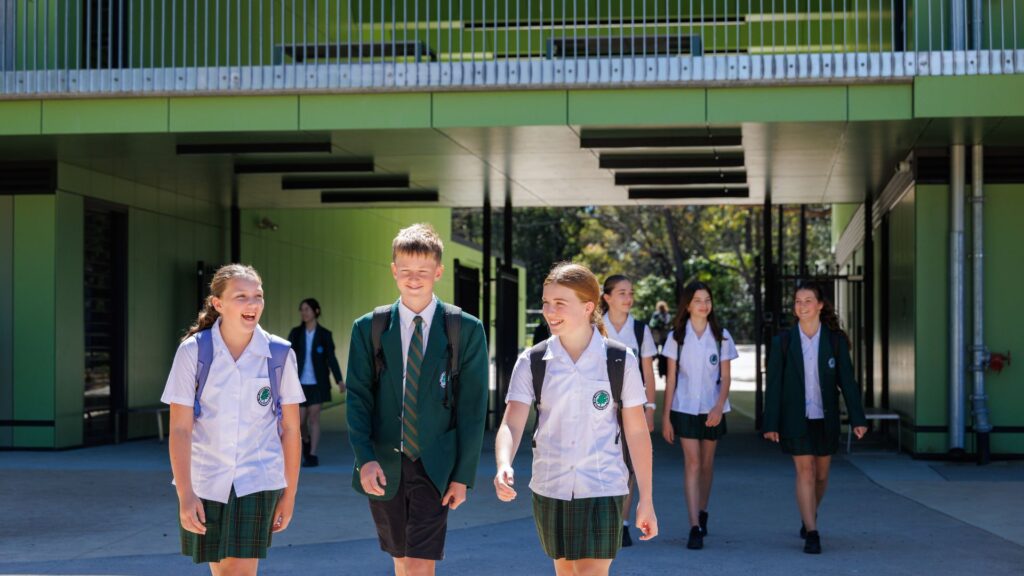
7. How will school help my child develop confidence, friendships and social skills?
School is about more than academic learning. It’s also where children build friendships, discover new interests and develop confidence in themselves. Through classroom collaboration, extracurricular activities and leadership opportunities, NSW public schools encourage children to connect with others, develop social skills and feel a sense of belonging. It’s all part of supporting their growth, both in and beyond the classroom.
8. How can I find out how well students are doing at a school?
A school’s website and annual reports are useful places to explore student achievement, learning programs and improvement priorities. You can also visit the My School website to review NAPLAN results and school performance data. Beyond the numbers, attending an open day or speaking with the school directly can build a fuller picture and help understand if your local public school is right for you child.
Discover what NSW public schools can offer your child and how they are inspiring excellence.