
Get ready! Tips on back-to-school routines, relationships and more
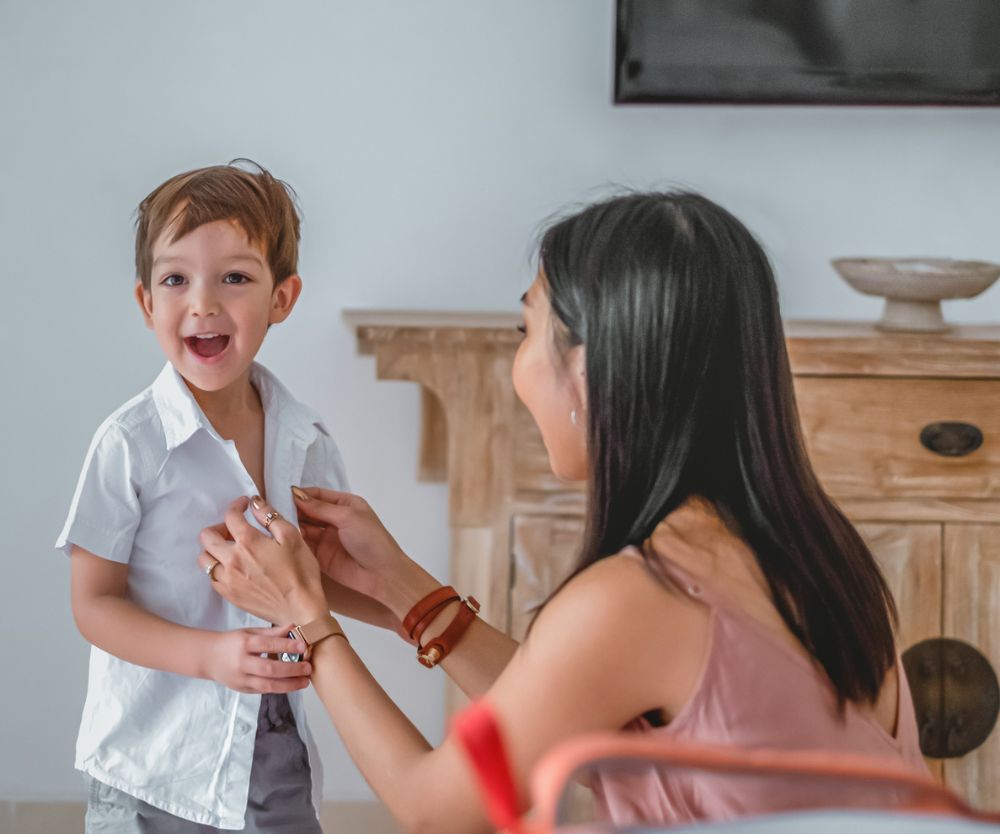
6 tips on getting the school year off to a strong start
The start of the school year can be a heady mix of exciting and scary for kids and parents alike – and, for parents it’s a really busy time.
One way to make it as easy as possible is to be prepared and, while there are always going to be challenges, if you plan ahead, you’ll feel more confident and your child will feed off that emotion.
So, what can parents and carers do to be as prepared as they can for the start of the school year?
Check out our expert tips below…
6 tips on making back to school easy
1. Trust the transition
If your little one is starting primary school, you’ll likely have carried out school visits and orientations to ensure they feel comfortable during the first few days and weeks. The transition also impacts parents, so try to attend any introduction or meet-the-teacher sessions or morning teas too.
For parents who are new to the area or the school, teachers can put them in touch with a family from their year who can introduce them to their peers before the year starts, which is really beneficial. Who doesn’t want to see a friendly face or two in the playground!
“With the right support and strategies, parents can help their children develop ways to tackle change more confidently, manage their emotions and build resilience in the long term,” says Triple P International Country Director, Carol Markie-Dadds.
2. Get organised
Prior to the start of school, review your family’s schedule to see how it can fit together. The school day feels extremely short if you’ve been using long daycare, for example. Will you need to change your own routine, maybe share pick ups or drop offs with your partner or a parent whose child is going to the same school?
Perhaps you’ll need to move a favourite play date or swimming lesson, or change any help you might get from family members. Are you already juggling a school-aged child or a younger baby? What needs to change there?
If you can afford to, consider a meal delivery service occasionally or meal prep to make the evenings easier.
Once you have a routine in mind, you can talk to you child about the parts relevant to them and manage their expectations. This is particularly important for kids who get stressed during periods of uncertainty or change as it can be reassuring for them to see/know you’re in charge.

Tick school uniform off your list as small sizes can sell out quickly.
3. Shop til you drop
Have you been to the uniform shop yet (check if you can spend your back-to-school vouchers if you are in NSW)? The smallest uniform sizes may sell out fast and it can be stressful if you can’t get what you need for day one. Ask your uniform shop volunteers what they recommend: they are usually parents from the school, so they have great experiences to share.
Small size school shoes can sell out fast too, as can stationery requirements, so try to tick these off your list sooner rather than later.
You’ll need to buy lunchboxes and/or bags for crunch and sip/morning tea and lunch, and a water bottle. Make sure your child can open and close them easily…
Labels or permanent markers are must to identify your little one’s things – from socks and undies (yet, really) to lunch packs, school bags and hats. A fun, easily identifiable tag can help your child recognised their bag in a sea of identical ones.
It’s a busy time, but once this shopping is done, you’ve made great strides.
4. Plan for change
Little kids can find the new five-day-a-week routine of primary school exhausting, so expect tiredness and tears as they adjust. Most schools have a part-time approach for the first few weeks so everyone can adapt.
Having a structured evening routine can help your child feel more rested. Bring dinner, bath and bedtime forward a little, if you can. Consider using dinner leftovers for lunch or making bulk lunches on the weekend to save time during the week. Similarly, if you can set up for breakfast the night before, it’s one less thing to think about in the morning when not everyone is at their best.
Homework is another consideration, and while there won’t be very much of this in the first year of primary school, if you can factor in their reader you’ll be setting up a good routine for when more work comes home.
Prepping a healthy snack for straight after school can help avoid any cries for junk food on the way home. If you get into the habit of checking their lunch box, you might find something in there that was overlooked.

Review your family’s schedule to see how it can fit together.
5. Manage relationships
When your child starts school it’s common to see changes in them after a short time. For primary school parents, your children are exposed to a range of people, thoughts and personalities over which you have no control. You might find that your little one soon comes home with an A – for attitude! This is common as they work out where and how to fit in with in their new environment, and you may have to talk to them about how we talk to our loved ones.
Role play can be a good way of working through changes in attitudes as well as helping with improving social skills and resilience.
Relationships grow and change very fast at school – and an ‘enemy’ can be a best friend in no time at all. For this reason, try not to get too emotionally involved in your child’s upsets. Take them seriously, of course, but remember to talk to the teacher and parent to see who things can be resolved.
6. Deal with anxiety
Parents and educators are more in tune with anxiety, stress and separation anxiety than ever before and after the lockdowns, some young children may find it hard to be away from their carer for extended periods.
If a parent can be prepared as possible for back to school, it means that the stresses that a child might experience are easier to deal with as everything else has been planned/taken care of.
Aim to manage your child’s expectations as much as possible – remind them of the friends from preschool and social activities that will be there and the new friends they will make.
“Establish your back-to-school routine by talking about what will be involved in getting to school, doing a practice run, or planning which route to take,” says Ms Markie-Dadds. “Children are also more likely to cooperate with routines that they’ve had a hand in making. So do encourage them to have a say and make decisions that impact them,” says Ms Markie-Dadds
As time goes on, encourage them to recall the fun they had and the best bits of school lately. Talk about the friendly teacher and the things they might do, the free play at lunch time and what you’ll do after school pick up or in the evening. Try to stay positive to help give them a sense that everyone is going to be fine.
“Try to be positive and reassuring when talking about returning to school – a positive approach helps children face the future with optimism, rather than fear. Along with risks, there are many opportunities. It’s exciting!” says Ms Markie-Dadds.
If anxiety is something your family lives with, let your teacher know and see if you can agree on a subtle way to let them know if the morning has started badly.
Delivery of the Triple P – Positive Parenting Program system includes the following online programs
Triple P Online for Baby
for parents/carers to be or with a baby under 12 months old
Triple P Online
for parents/carers of children under 12
Fear-Less Triple P Online
for parents/carers of children (6+)
Parents and carers can sign up now FREE and get positive parenting strategies at: www.triplep-parenting.net.au
Delivery of the Triple P – Positive Parenting Program® to parents and carers of children in Australia is supported by funding from the Australian Government Department of Health and Aged Care under the Parenting Education and Support Program.