How to work out the right sleep temperature for your baby

How do you know if your baby is overheating, too cold or at just the right sleep temperature?
Keeping your little one at the “just right” temperature is harder than ever with hotter summers, sticky nights, and unpredictable weather.
New national research from Samsung shows just how important this is for Australian families, especially parents of young babies:
- 23% of renters regret their home doesn’t have air conditioning, a struggle felt even more by families with infants
- 48% of Australians prioritize comfort upgrades like AC over cosmetic renovations
- 58% would pay more for energy-efficient cooling to keep their kids comfortable
- 63% believe ducted AC boosts home value, with better sleep and stable temperatures as key motivators
Even if your room temperature isn’t perfect, you can help your baby sleep safely and comfortably. Dressing them in a TOG-rated sleeping bag or swaddle eliminates guesswork, keeps them snug, and removes the need for loose bedding.
TOG ratings also help you match your baby’s sleepwear to the room temperature, keeping them warm without overheating or getting chilly. A simple step for peace of mind, so parents can rest easy too.
What is a TOG rating and how does it relate to sleep temperature?
A TOG rating gives you a suggestion for the layers of clothing you should dress your little one in under their sleeping bag. TOG stands for Thermal Overall Grade and is an indication of how much a fabric insulates. Simply put, a baby sleeping bag is given a TOG rating according to the amount of warmth it provides.
Here are the different TOG ratings:
• 0.5 TOG is equivalent to one layer of T-shirt fabric or 2 layers of sheets, perfect for those really hot evenings.
• 1 TOG is about the same as 1 light blanket or 2 layers of T-shirt weight fabric and suitable for those summer nights.
• 2.5 TOG normally has some sort of filling and is warmer, but is best used in temperatures between 16-20°C.
• 3.5 TOG is only for room temperatures below 16°C.
Is the sleep temperature still too cold?
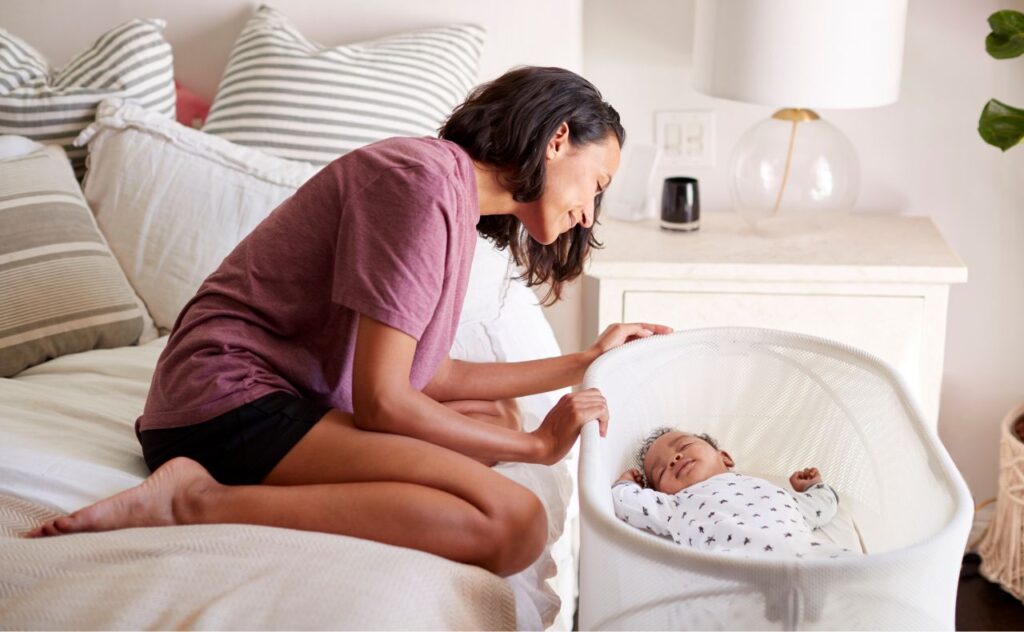
Once your little one is dressed appropriately for the room temperature and the TOG rating, there are a few other ways to check if they’re comfortable.
The first instinct is often to grab their tiny hands and feet but this isn’t a reliable way to gauge their body temperature. Hands and feet are naturally cooler because they’re more exposed, and for babies under three months, their circulation is still developing. Less blood (and heat) reaches the extremities, so cold hands or feet don’t necessarily mean your baby is cold.
A better way to check is the torso. Slip a couple of fingers under the neck hole of their onesie, along the back or front. If their chest or back feels warm, not hot or cold, your baby is likely comfy and cosy.
Myth or fact: Should baby be in an extra layer?
We recommend that babies need one additional thin layer of clothing then you do to be comfortable. This may look like a singlet in summer or an arm and legless body suit in winter.
How to keep baby cool in summer?
So, we have covered keeping your little one warm in winter, but what about cool in summer? The most important step is to to ensure their sleeping environment is ok for sleep. If the room feels too hot for you, then it is probably too hot for them.
Whilst it can be hard to control the temperature of the room in summer, especially if you don’t have air conditioning, there are ways to try and reduce the temperature prior to sleep, such as:
- Open the windows and doors in the lead up to bed and allow ventilation to flow.
- If your rooms are upstairs, you may find moving to a lower level in the house in summer makes it more comfortable.
- Use block out blinds during the day to keep sunlight and heat out.
- Use a fan to help reduce heat and circulate air.
Try a lukewarm bath before bed as opposed to a warm bath on those extra hot nights if you find they are a little flustered and clammy before bed. Remember though, that even though it might be hot when you are popping your little one down for the night, the temperature will usually drop in those early hours of the morning, so we also want to take this into consideration when dressing them for bed.
Also cool the room if you can, and turning off any fans or air conditioning once you yourself head to bed. This will also give you peace of mind that they aren’t going to get too cold around 3-5am.

Finding the ideal sleep temperature
Keeping your nursery at just the right temperature can make a world of difference to your bub’s sleep and your sanity! These days, there are plenty of gadgets to help you get it right: air conditioners, in-room thermometers, and baby monitors with temperature sensors. One standout is the CuboAi Smart Temp device, which takes the guesswork out of “is my baby too hot or too cold?”
The tiny chip sits comfortably under your baby’s armpit, tracking their body temperature in real time while also keeping an eye on the room temperature via the monitor. This makes it super easy to tweak your air conditioner or heater so the nursery stays perfectly cosy.
If you’re thinking about upgrading your air conditioner, the Samsung GEO WindFree split system is a great pick. With 2.5kW of cooling and 3.2kW of heating, it’s perfect for rooms up to 21m². Its clever WindFree technology sends air through thousands of micro-holes, creating a gentle, draft-free breeze that keeps the room – and your little one – at a comfy temperature all night long.
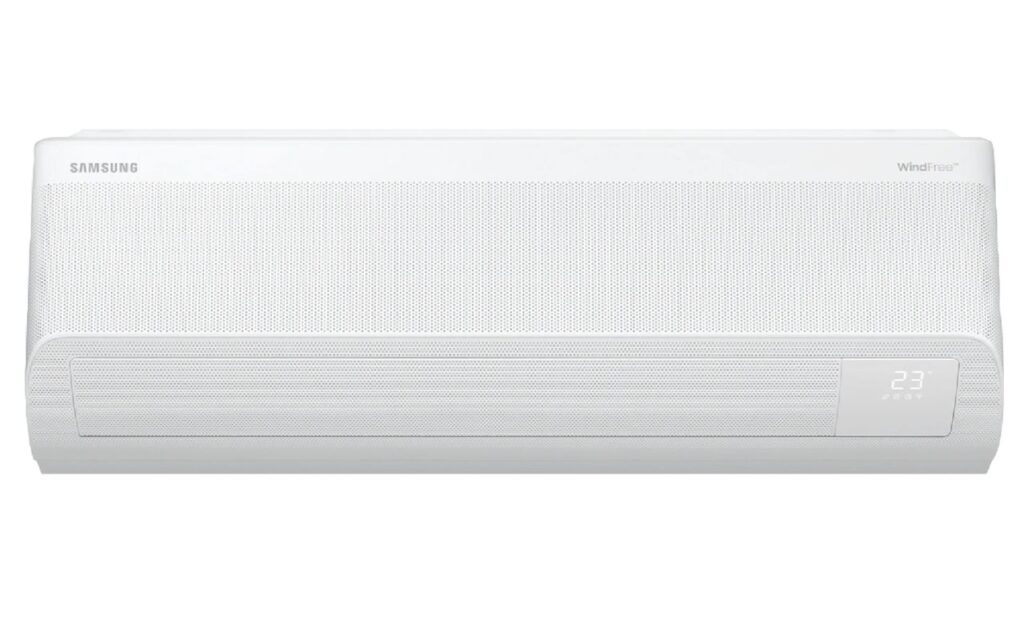
Samsung 2.5kW/3.2kW GEO WindFree Reverse Cycle Split System, from $879 at Good Guys.