5 tips to help your baby when a fever strikes at night
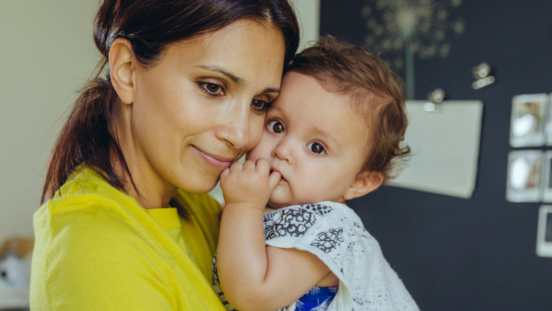
Baby feeling hot and unsettled in the middle of the night? Here’s what parents need to know when their little one develops a fever.
Brought to you by Panadol Children.
Whether it’s their first little sniffle or a temperature that comes out of nowhere, seeing your baby unwell can be worrying, particularly during their first year.
Fevers are common in babies and are often a sign their body is fighting an infection. But knowing what to look out for, how to keep your little one comfortable and when to seek medical advice can make those overnight temperature spikes a little less daunting.
Here are five things to keep in mind when your baby develops a fever.
1. Check their temperature
If your baby feels hotter than usual, use a digital thermometer to check their temperature rather than relying on touch alone. A temperature of 38°C or higher is generally considered a fever in babies.
Keep an eye on how your child is behaving, too, as their overall condition matters just as much as the number on the thermometer. Are they feeding as usual? Are they alert and responding to you? Are they more unsettled or sleepy than normal?
It’s important to remember that babies under three months with a temperature of 38°C or higher are advised to see a doctor or health professional for assessment, even if they otherwise seem well.
2. Keep them comfortable, not too warm
It can be tempting to wrap your baby up in an extra blanket when they’re unwell, but too many layers can make them uncomfortable.
Dress your little one in lightweight clothing and use light bedding, keeping their room at a comfortable temperature. If they’re shivering, a light layer can help until they stop.
Avoid cold baths, ice packs or cold sponging to bring their temperature down.
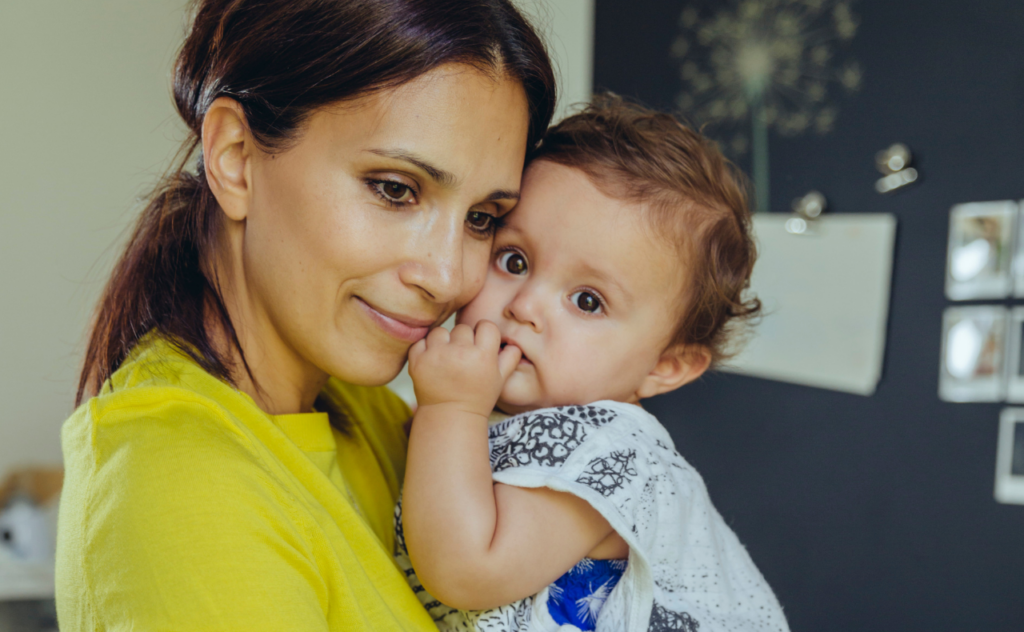
3. Keep up milk feeds
Babies can become dehydrated more easily when they’re unwell, so keeping up their milk feeds is important.
Continue offering milk regularly and if your baby is taking smaller feeds than usual, try offering feeds more frequently.
Keep an eye on their wet nappies, too. Fewer wet nappies than usual, a dry mouth or a lack of tears can be signs of dehydration.
4. Consider appropriate fever relief
If your baby is distressed or uncomfortable, appropriate fever-relief medicine may help ease their discomfort.
Paracetamol, the active ingredient in Panadol Children, can relieve fever and make your baby more comfortable.
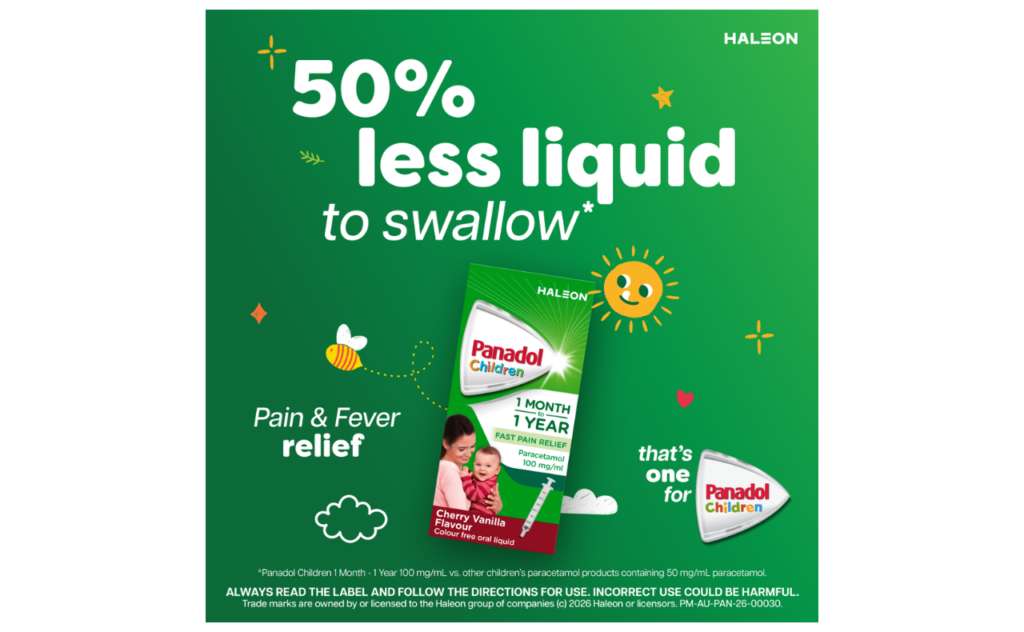
Panadol Children Colourfree liquid 1 Month – 1 Year contains paracetamol and has a cherry vanilla flavour and no artificial colours. When used as directed, it is gentle on tiny tummies and can start to reduce fever in 15 minutes*. It also contains 50% less liquid to swallow^, a small volume dose for little mouths.
Always read the label and follow the directions for use. Incorrect use could be harmful.
*Temple, A.R. et al. Clin. Ther. 2013 ; 35:1361-75. ^Panadol Children 1 Month-1 Year 100mg/ml vs. other children’s paracetamol products containing 50mg/ml paracetamol.
5. Know what to look out for and when to seek medical help
It’s natural to want to check on your baby more often when they’re unwell, particularly overnight.
Keep an eye on their breathing, responsiveness, feeding and wet nappies. If they’re sleeping, check that they’re comfortable and breathing normally.
You know your baby best, so if they’re unusually sleepy, difficult to settle or simply don’t seem like themselves, seek medical advice.
If your baby is under three months old and has a temperature of 38°C or higher, it is advised to see a doctor or health professional for assessment, even if they otherwise seem well.
For babies aged three to 12 months, seek medical advice if they have a fever and aren’t feeding normally, have fewer wet nappies, are unusually drowsy or seem to be getting more unwell.
Call 000 if your baby has difficulty breathing, is very drowsy or unresponsive, has a seizure or develops a rash that doesn’t fade when pressed.
Brought to you by Panadol Children.