Peppa Pig’s George is revealed to be moderately deaf

Peppa Pig brings deaf representation to preschool television.
Peppa Pig has always reflected the real world kids grow up in and now the much-loved preschool show is taking another meaningful step forward.
In new episodes, Peppa’s younger brother George is revealed to be moderately deaf. The storyline marks a defining moment in the character’s development and aims to reflect the real-life experiences of deaf children and their families.
George’s story builds on Peppa Pig’s long history of inclusive storytelling, following characters like Mandy Mouse, who uses a wheelchair, and Penny Polar Bear, who has two mums.
“For more than 20 years, PEPPA PIG has grown alongside families around the world, and George’s evolution reflects that journey,” said Esra Cafer, Hasbro’s SVP of Franchise Strategy and Management, Preschool & Fashion.
“George has grown from Peppa’s curious little brother into a character with his own voice and experiences. As he enters this next phase of his development, we continue to celebrate joy, growth and confidence, reminding every child that there’s a place for them in Peppa’s world.”
George’s hearing loss storyline
To ensure the storyline was handled accurately and sensitively, Hasbro partnered with the National Deaf Children’s Society and Camilla Arnold, a deaf executive producer and script consultant known for her work on See Hear, Chelsea Detectives and Bridgerton.
National Deaf Children’s Society provided guidance on portraying different types of hearing loss and appropriate support, while Arnold advised on language, tone and authentic family representation.
“Globally, an estimated 34 million children are deaf, yet we don’t always see their stories told in the media. Representation matters and it’s vital for deaf children to see their experiences reflected positively on screen,” said George Crockford, Chief Executive at the National Deaf Children’s Society.
“Introducing this storyline in a series as beloved as PEPPA PIG is an important step toward creating a world where anything is possible for deaf children – a world where differences are celebrated and every deaf child feels seen, valued and included.”
“Authentic representation doesn’t happen by accident. True representation takes care and collaboration, and that’s exactly what we achieved with Hasbro,” added Camilla Arnold. “Working closely with the PEPPA PIG team, I helped guide how George’s experience was brought to life on screen to ensure it felt genuine for the deaf community. The result is a story that celebrates confidence, curiosity and belonging.”
When can families watch?
Short-form digital episodes on Peppa Pig Tales will roll out from Friday 6 February at 9pm AEDT, including a first-ever episode told from George’s audio perspective.
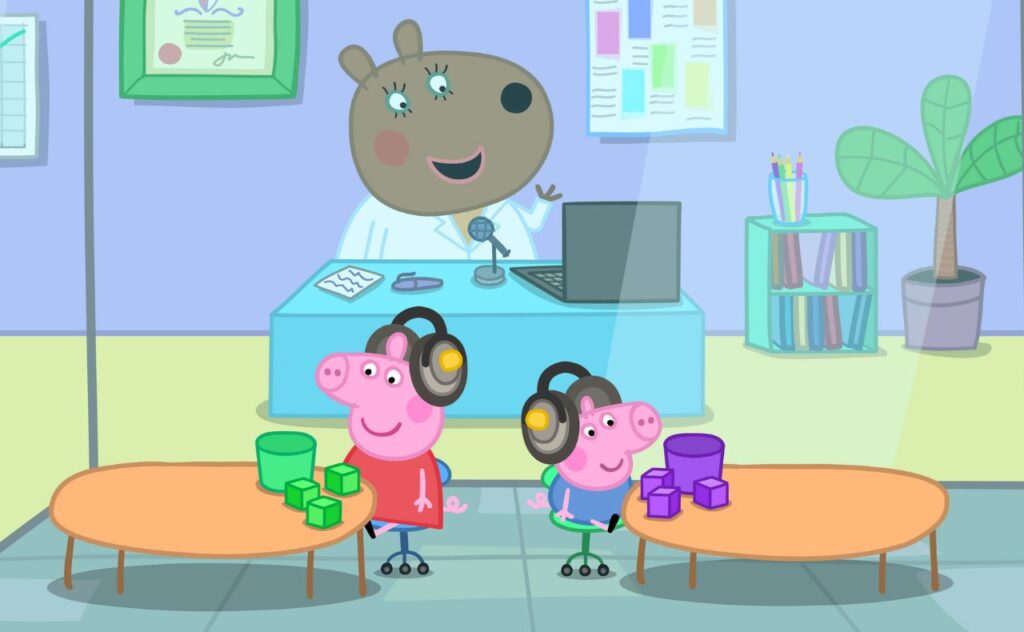
Season 11 episodes coming soon to ABC Kids will follow George’s diagnosis, including an episode titled Hearing Test, where he is fitted with a hearing aid. Kids will see George discover everyday sounds, from muddy puddles to the ice-cream van, and share a touching milestone when he says Peppa’s name for the first time.
The audiologist in the episode is voiced by Jodie Ounsley, the first deaf female rugby player to represent England.
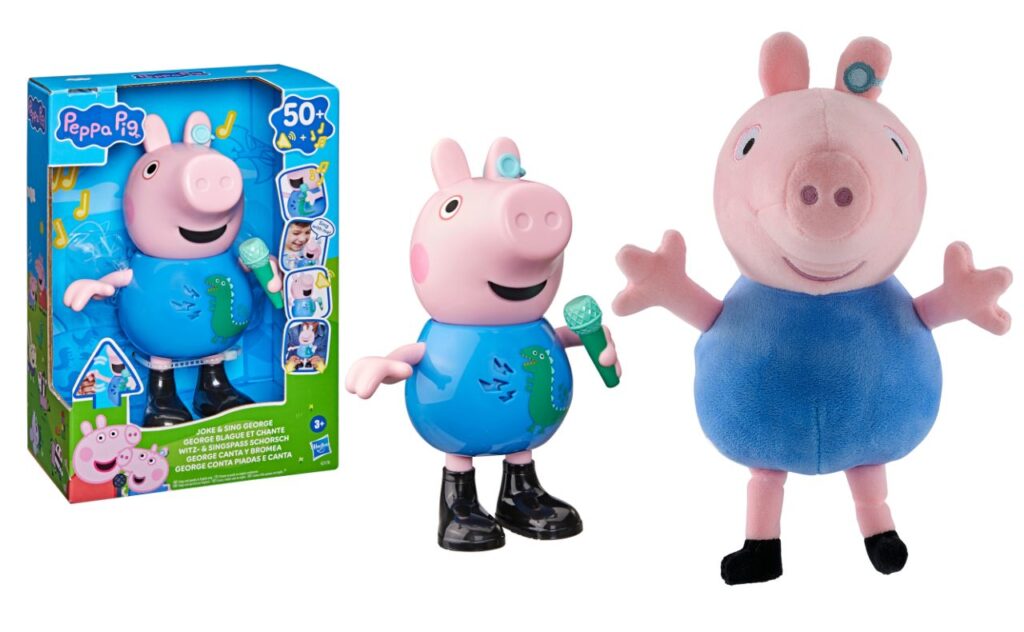
Peppa Pig is also expanding accessibility through the Peppa Pig Sign Language for Kids YouTube channel, offering episodes in British and American Sign Language. New toys featuring George with his hearing aid will launch in Australia from February and March, helping kids connect playtime with the story they see on screen.
For more information on PEPPA PIG, please visit YouTube and follow the brand on social media on Facebook, Instagram and TikTok.
Hearing loss in Australian children
In Australia, three to six children in every thousand have some degree of hearing loss. Roughly 38% of aided children under 17 have a moderate loss.
What “moderate hearing loss” means: Children struggle to hear normal conversation without hearing aids and may miss softer speech or classroom discussion.
Early intervention matters: Early diagnosis is crucial for speech, language and learning development.
Support: Over 11,000 Australian children use hearing aids or cochlear implants, with Hearing Australia providing subsidised services.
Signs to watch for: Delayed speech, difficulty hearing in noisy environments, or needing devices at high volume may indicate a hearing issue.
Hearing loss visibility still falling short
New global research from YouGov, released for World Hearing Day, highlights a major representation gap:
- 41% of Australians can’t recall seeing someone wearing a hearing device in mainstream content unless it was specifically about hearing loss
- 55% say this lack of visibility makes it harder to recognise hearing loss and seek help
- 77% of Australians with hearing loss believe media gets key aspects of their lives wrong
While Peppa Pig is helping normalise hearing differences for younger audiences, broader media representation still has a long way to go.
To support change, GN Group has launched New Norm Vol. 2, a free global image library featuring real people with hearing aids, designed to help creators better reflect everyday life and challenge outdated stereotypes.