
Are we ruining kids’ sport? Libby Trickett says it’s time to chill on the sidelines
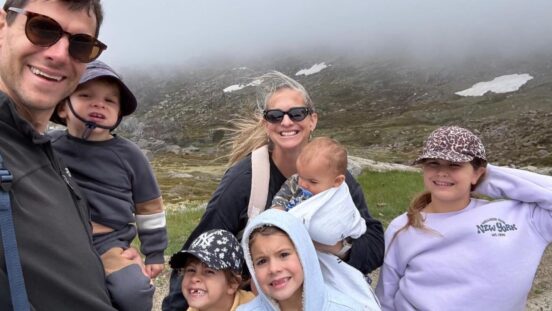
Olympian and mum-of-five Libby Trickett says it’s time for parents to take a breath, step back… and just let kids play.
Winter sport is back, but before you lace up the boots and pack the oranges, Olympic gold medallist Libby Trickett has a message for Aussie parents: we need to take a step back.
Speaking on her podcast Sportish, alongside guests like Ash Barty, Adam Goodes and parenting expert Gen Muir, Trickett says kids’ sport has become too focused on results and it’s pushing kids out of the game.
We sat down with Libby to talk about everything from over-competitive parents to early grading, burnout, and how to get kids back to just having a go.
Libby Trickett on bringing the FUN back to kids’ sport
Do you think kids’ sport these days is losing the fun and just becoming all about results?
One hundred percent! I’ve seen it with my own kids, my nieces and nephews, and through my work on Sportish – when sport starts to get serious, kids start to disengage. Whether it’s grading kids too early, creating finals formats or making kids train 5 days a week, the lack of fun in sport is one of the biggest reasons kids stop playing. And as one of guests, mindset coach and author, Ben Crowe, play is as important as sleep, but most of us are play deprived.
Are Aussie parents too competitive or putting too much pressure on their kids?
Unfortunately I think many parents relive their own sporting experiences through their children. You can absolutely pick the parent who is way too invested in the outcome of an U9s netball match (and interestingly, that parent has often never played netball). The shouting on the sidelines and the serious post match or race analysis is just not needed – what kid wants to play sport when they know they’ll be critiqued in the car on the way home?!
How did your own childhood in sport shape the way you see kids’ sport now?
Most people don’t realise that I actually played HEAPS of different sports as a kid – gymnastics, netball, swimming, athletics and cross country were all in the mix. That knowledge absolutely influences the way I look at kids’ sport today and it’s also supported by all the research around kids sport, performance and participation. You don’t have to do 12 sessions a week at the age of 13 if you want to go to the Olympics or Paralympics – I was a very part time swimmer until the end of Grade 12. I played a wide variety of sports all through school because I loved it and it brought me so much joy (particularly racing!), and it’s something we want all kids to do – it helps them to find the sports they connect with, mix with different kids and build up different physical skills.
What can parents do to make sure their kids are enjoying the game, win or lose?
Find clubs that are inclusive and value participation as much as competition. You can see that in how they organise the teams, the training requirements and the style of coaching, as well as the most basic metric – do the kids there look they’re having fun? At the same time, have a think about the conversations you’re having around sport. Are you praising the effort or the outcome? Are you yelling like a maniac on the sidelines or giving the occassion cheer and big thumbs up? Are you disecting an Under 12 soccer match or are you getting into the car and simply saying “I loved watching you play today”.
What inspired you and Georgie to start the Sportish podcast?
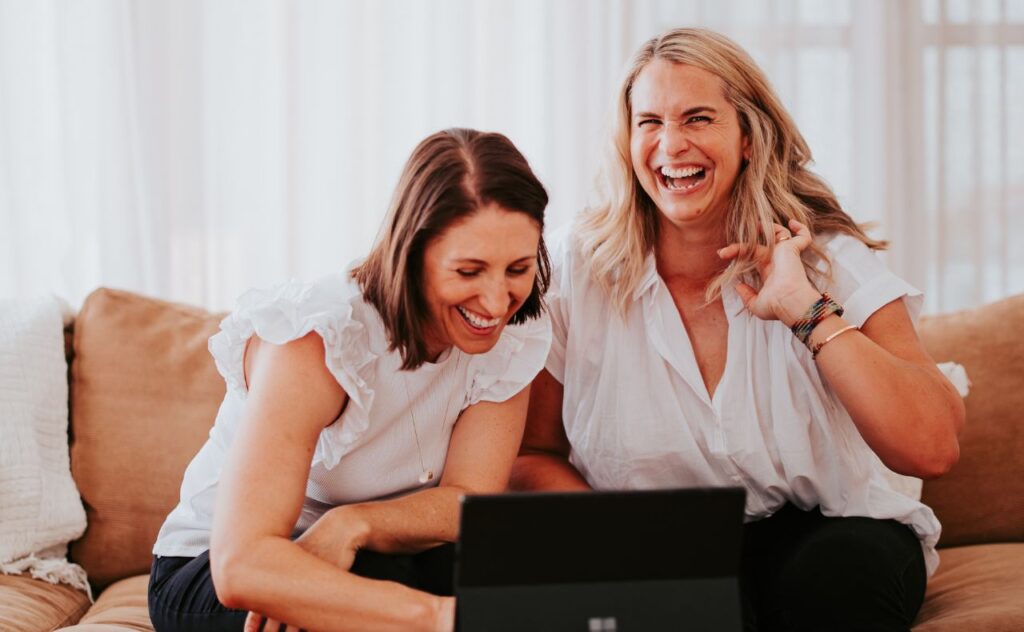
We both share a love of sport but from two very different perspectives – mine as an Olympian who wanted to do nothing more than get to the top of my sport, and Georgie as an average athlete who played everything throughout school, now runs for fun and coaches a netball team on the weekend. We wanted to create a space that really valued particpation, while still engaging with the big sporting stories. Most importantly, we wanted to talk about the issues impacting kids sport and bring in experts to help parents understand how to navigate this essential part of child and teen development. That’s why we’re so excited to partner with the Australian Sports Commission for our Play Well season of Sportish.
You’ve chatted with some amazing athletes. What’s surprised you most about their take on kids’ sport?
It’s been the realisation that how I feel is EXACTLY the same as tennis star Ash Barty, AFL legend Adam Goodes and swimming Olympian Kieren Perkins – everyone is way too intense about kids’ sports. As elite athletes, we all know what it takes to reach the top, and know that it’s got nothing to do with how well you played in Div 1 footy at the age of 14. Ash will happily sit on the side of the tennis court and watch her nieces and nephew play and make mistakes and say nothing, because she knows that not her job. As someone who grew up playing soccer (and still plays it today) Adam Goodes doesn’t care where his kids start out in sport. Kieren Perkins, as the CEO of the Australian Sports Commission, wants as many kids as possible playing sport for as long as possible because it’s great for our health, our community and lets be honest, our elite pathways.
The episode with Gen Muir dives into how parents engage with kids’ sport. Any standout tips you can share?
I think it’s so important that people listen to that episode as Gen is really honest that she started out as a bit of a yeller and then realised she needed to change. I’ve already started implementing her tip of catching your kid’s eye when they’re on the blocks or out on the field and just giving them a big thumbs up. It’s simple and it does exactly what we need it to do – tells our kids that we’re there and we’ve got their back. Gen, like Ben Crowe, also talks about the power of the 6 words: “I love to watch you play.” It hits on two levels as well – not only are saying I’m hear for you no matter what the outcome, but it’s reinforcing the idea that we’re here to play and have fun.
How can families get back to the basics of just having a go, instead of always focusing on winning?
Remember what this is all about. The likelihood of your child becoming an Olympian, Paralympian, or [insert your favourite sport] is less than 1%, but the likelihood of your child becoming an adult who has a great relationship with sport is HUGE if you remember that the value is in the playing. The benefits of kids playing sports go far beyond the score at the AFL oval on the weekend; it’s a place for them to make friends outside of school, be part of the community, learn about volunteering, and develop skills that will help them long after they leave the field. It’s a mental health strategy, a physical health strategy, and it doesn’t involve a screen. The goal for our families is to play well and have fun.