
Nappy cream on your face: Skincare breakthrough or just another TikTok trend?
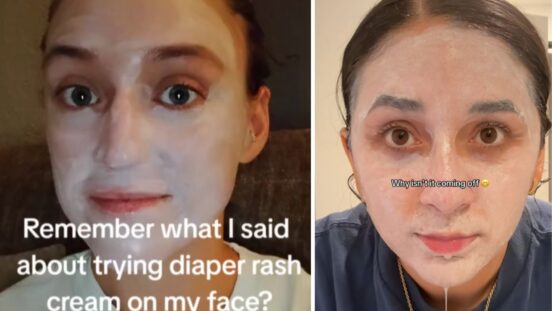
We asked facialist April Brodie if nappy cream belongs on your face. Her answer wasn’t a simple yes or no.
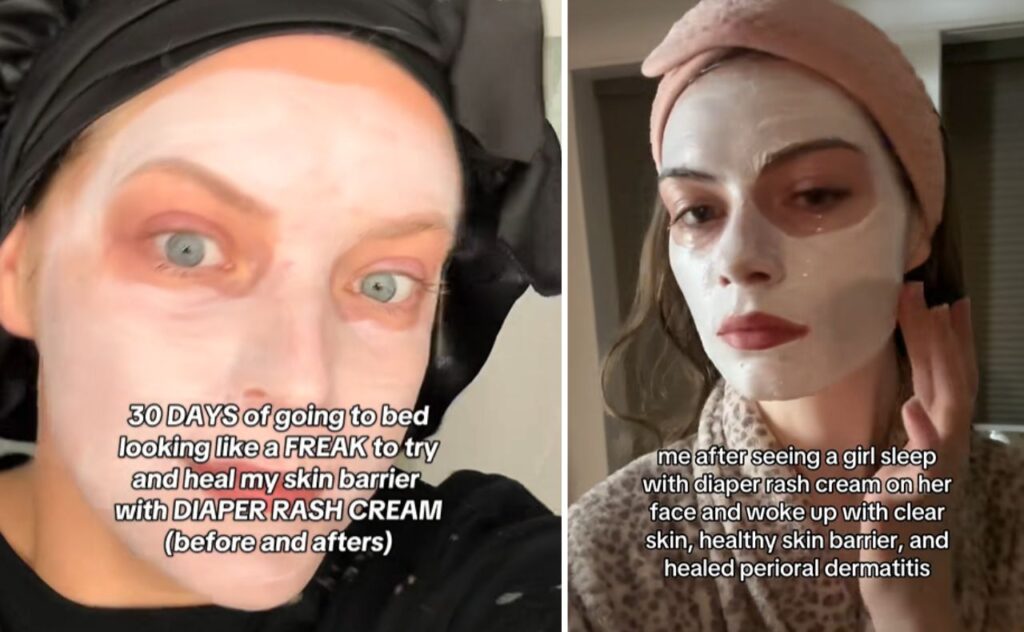
Scroll through skincare TikToks and chances are you’ll find someone slathering nappy cream on their face and swearing it’s the secret to glowing skin.
Yes, the same stuff you’ve been smearing on your baby’s bum during every nappy change. Now it’s supposedly a $12 dupe for $200 serums. It sounds ridiculous. It also sounds a little bit genius.
So we asked the question every sceptical parent (and skincare obsessive) wants answered: does it actually work, or is this just another viral trend worth steering clear of?
We put it to April Brodie, one of Australia’s most respected integrated facialists, to separate the science from the scroll.
Her answer: The important question isn’t whether it works. It’s whether it’s the right product for the job.
Why nappy cream appears to work
Most nappy creams contain zinc oxide, a well-established ingredient known for its protective and anti-inflammatory properties. It helps reduce moisture loss, calms irritation and creates a physical barrier that shields the skin from external aggressors. It’s also the same ingredient widely used in mineral sunscreens because of its broad-spectrum UV protection.
If your skin barrier is compromised, zinc oxide can genuinely help reduce redness and support recovery.
But that doesn’t necessarily mean nappy cream belongs in an adult skincare routine.
The difference is in the formulation
While zinc oxide is beneficial, the product surrounding it matters just as much.
Nappy creams are designed for infant skin, which is constantly exposed to moisture, friction and irritation. They need to form a thick, protective barrier that sits heavily on the skin.
Adult facial skin has a different pH, different oil production and different needs altogether.
A well-formulated facial product containing zinc oxide can deliver many of the same calming benefits while being specifically designed for adult skin. They’re typically lighter, more balanced and formulated to support normal skin function rather than simply creating an occlusive barrier.
In other words, it’s not that nappy cream is a miracle skincare product. It’s that zinc oxide is doing what it’s always done.
Why “skin barrier repair” suddenly matters
If you’ve spent any time on social media recently, you’ve probably heard the phrase “skin barrier repair.”
Your skin barrier, known as the stratum corneum, is your body’s first line of defence. It helps lock moisture in while protecting against irritants, allergens, pollutants and bacteria.
Ironically, many of us have damaged our own skin barriers by chasing perfect skin.
Years of layering active ingredients, frequent exfoliation, retinoids and harsh acids have left many people with persistent sensitivity, redness and irritation. As a result, skincare has started shifting back towards barrier health rather than aggressive correction.
It’s one of the reasons Korean skincare has become so influential globally. For decades, Korean skincare has prioritised maintaining a healthy, resilient barrier using ingredients such as centella asiatica, panthenol and snail mucin, rather than constantly trying to “fix” the skin.

How do you know if your skin barrier is compromised?
A damaged skin barrier often looks different to what people expect.
Some of the most common signs include:
- Persistent tightness after cleansing
- Stinging when applying products that never used to sting
- Redness or increased sensitivity
- Dryness and flaking
- Skin that suddenly reacts to products you’ve used for years
- Dull, lacklustre skin that has lost its natural glow
Breakouts can also be a sign. When the skin barrier is compromised, the skin’s microbiome becomes disrupted, creating an environment where unwanted bacteria can thrive. Many people mistake these breakouts for acne and respond by using even stronger acids or harsher treatments, which often makes the problem worse.
Is this trend suitable for everyone?
People with oily or acne-prone skin should be cautious, as many nappy creams are highly occlusive and may contribute to congestion. Those prone to fungal acne should also pay close attention to ingredient lists, while anyone with rosacea or highly reactive skin should always patch test first. Like most viral skincare trends, there is no one-size-fits-all solution.

Are we overcomplicating skincare?
I think many of us are. We’re constantly swinging between extremes — either following elaborate 10-step routines or abandoning everything for one viral product.
Neither approach is ideal. Healthy skin is built through consistency, not overnight transformations. The basics remain the most effective approach for the vast majority of people:
- Use a gentle, pH-balanced cleanser.
- Apply a moisturiser containing ceramides, fatty acids and humectants.
- Wear SPF every day.
- Avoid over-exfoliating.
- Prioritise sleep, hydration and consistency.
Those habits aren’t as exciting as the latest TikTok trend, but they’re backed by decades of research.
Before you copy a viral skincare trend
Social media has made skincare advice more accessible than ever, but it often removes the context that’s essential for making good decisions.
Before trying any trend, ask yourself who’s giving the advice, what their qualifications are and whether their skin is anything like yours.
Patch test first, introduce products gradually and, if you’re already seeing a facialist, dermal therapist or dermatologist, seek their advice before following viral recommendations.
The biggest skincare myth I’d love to see disappear is that more is better.
More products don’t necessarily produce better skin. More active ingredients aren’t always more effective. And skincare rarely works overnight.
The healthiest skin I’ve seen throughout my career hasn’t come from chasing every new trend. It’s come from supporting the skin consistently, patiently and, quite often, by doing less.