“Just feed the baby.” If only it were that simple
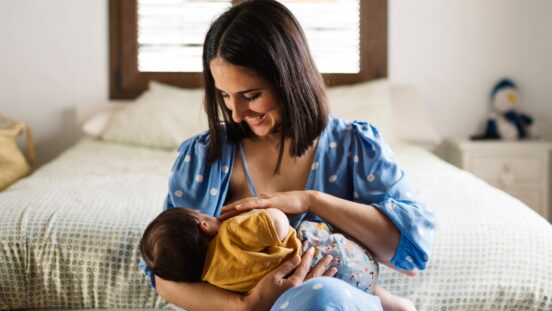
60% of parents feel anxious about feeding. Here’s why.
By Julie Borninkhof, Clinical Psychologist and CEO of PANDA (Perinatal Anxiety and Depression Australia)
There’s a moment almost every new parent experiences. You’re exhausted, your baby is only a few weeks old, and you find yourself wondering: Am I doing this right?
At PANDA, we hear this question every day. Feeding is one of the most common concerns raised by parents who contact our National Perinatal Mental Health Helpline.
Our research found that 60% of parents have felt anxious about feeding their baby. It’s often not because they don’t know what’s recommended, but because they feel enormous pressure to get it “right”.
Feeding your baby can be a wonderful way to bond, but it can also bring stress, worry and self-doubt. For many parents, the hardest part isn’t the feeding itself, it’s dealing with the opinions, expectations and judgement that can come with it.
We spend so much time talking about how babies should be fed that we sometimes forget to ask how parents are coping.
Feeding and your mental health
Every family’s feeding journey is different, and things don’t always go to plan. What’s most important is finding what works for you, your baby and your family.
Looking after your mental health is an important part of caring for your baby. Support from family, friends, health professionals and your community can make a big difference.
Research shows that a positive feeding experience matters more than the feeding method. Babies do best when their parents feel supported and emotionally well.
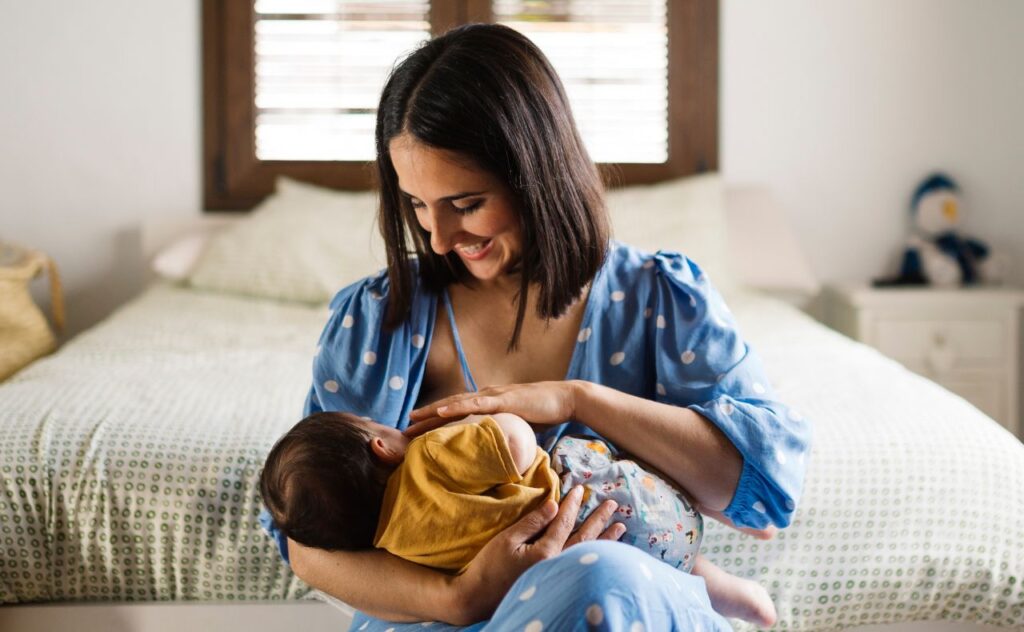
Know when to ask for support
It’s important to reach out if feeding is affecting your mental health. You might benefit from extra support if you are:
- Feeling anxious or overwhelmed before every feed.
- Constantly comparing yourself to other parents or what you see online.
- Feeling tearful, numb or distressed after feeds.
- Avoiding feeding around other people because you’re worried about being judged.
- Constantly worrying, even when your baby is healthy and growing well.
These feelings are common and do not reflect your ability as a parent. Help is available.
PANDA’s National Perinatal Mental Health Helpline (1300 726 306) and online resources offer a safe, judgement-free space to talk through what you’re experiencing.
World Breastfeeding Week (WBW) is celebrated globally from 1 to 7 August. In 2026, the theme is Breastfeeding for a sustainable start in life: Strengthen what works, a reminder that when communities support breastfeeding, families and future generations benefit.
This World Breastfeeding Week, let’s remember to check in on the new parents in our lives. Sometimes the most important question isn’t “How’s the baby feeding?” but “How are you really doing?”
Anyone needing support during pregnancy or early parenthood, or wanting to help someone who may be struggling, can visit panda.org.au or call the PANDA Helpline on 1300 726 306 (open seven days a week).