
Your kid’s “winter cold” might actually be allergies. Here’s how to tell

Allergies, asthma or a cold? The simple guide every parent needs.
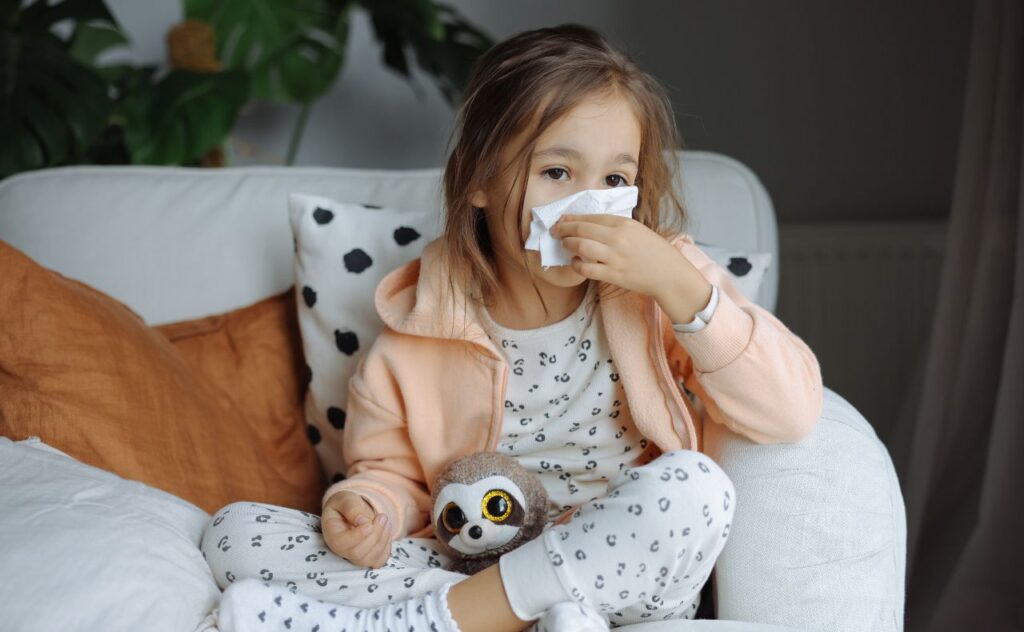
The sniffly noses. The itchy eyes. The never-ending tissue mountain on the lounge. If your home feels like it’s been taken over by allergies this winter, you’re not imagining it.
Allergies affect millions of Australian families, with around one in three Australians living with allergic disease. And our kids are among the most allergy-affected children globally, making it something parents need to understand, not just put down to “another winter sniffle”.
Allergies, asthma or a cold? Here’s the difference
Allergies (hayfever, seasonal allergic rhinitis, whatever you want to call it) happen when your body overreacts to something harmless and floods itself with histamine.
Asthma is trickier, especially in preschoolers as coughing and wheezing can just as easily get written off as “another virus.” Watch for breathing trouble, chest tightness, and changes in behaviour, and know that family history loads the dice either way.
Colds are caused by viruses and usually bring a mix of symptoms like a runny nose, cough, sore throat, sneezing and sometimes a fever. They generally improve within 7–10 days, but they can overlap with allergy symptoms and may trigger asthma flare-ups, making it easy to confuse the three.
Why winter, though?
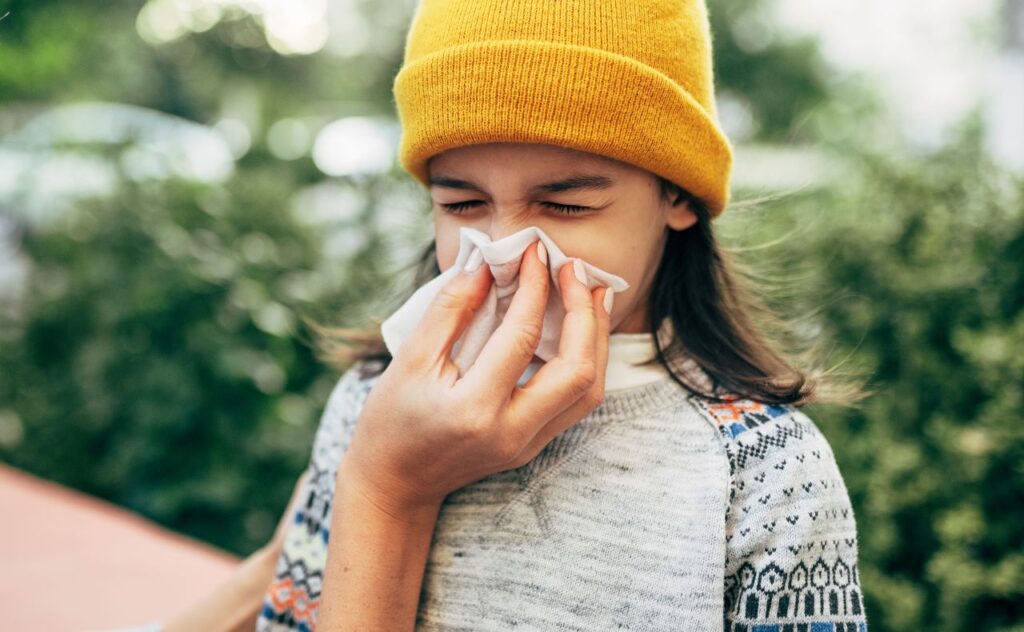
Spring might get all the attention when it comes to allergies, but winter has plenty of triggers of its own. Outside, grass and tree pollen can still linger, while inside the home becomes the bigger challenge. With windows closed and less fresh air moving through the house, common irritants like dust mites, mould, pet dander, smoke and cleaning products can build up — leaving little noses blocked, eyes itchy and kids feeling miserable.
This World Allergy Week (21–27 June), the message is simple, ‘allergy care is essential care’, not something to brush off or just put up with. If your child’s symptoms are ongoing or affecting their day-to-day life, it’s worth speaking with your GP. But there are also simple steps parents can take at home to help create a more allergy-friendly environment.
Top tips for staying well this winter
The National Asthma Council Australia’s Sensitive Choice program has joined forces with FESS to give advice to families on how they can prepare for the allergy season.
- Don’t wait for symptoms: A daily saline nasal spray, like FESS Little Noses Saline Spray, keeps nasal passages clear before things flare.
- Make it part of your everyday routine: Morning and night, saline flushes out allergens and thins mucus. It’s the easiest line of defence you’re not using yet.
- Support the body’s natural defences: A healthy nose filters, warms and humidifies the air we breathe, removing particles before they reach the lungs.
FESS has a range for adults, kids and babies, which you can explore here.
10 ways to allergy-proof your home
- Skip the carpet, especially in bedrooms. Carpet traps dust all night long. Hard flooring or flat-woven rugs are easier to keep clean.
- Run a dehumidifier or air conditioner (serviced regularly) to keep mould at bay, particularly in the worst-affected bedroom.
- Vacuum and dust often and time it for when the most allergic person in the house isn’t home, since dust takes up to two hours to settle.
- Keep pets (and pet dander) out of bedrooms.
- Cover pillows and mattresses with protective covers for easier nights.
- Ventilate bathrooms (windows or exhaust fan) and keep bins, fridge trays and door seals clean to stop mould before it starts.
- Keep the kitchen spotless to keep cockroaches away. Dishes done, units wiped, garbage managed.
- Mop up spills on rugs or carpet immediately. Mould doesn’t wait.
- When mowing the lawn, mask up, and keep kids inside with windows shut if you can.
- Clear dead leaves and trim back shrubs around the house.